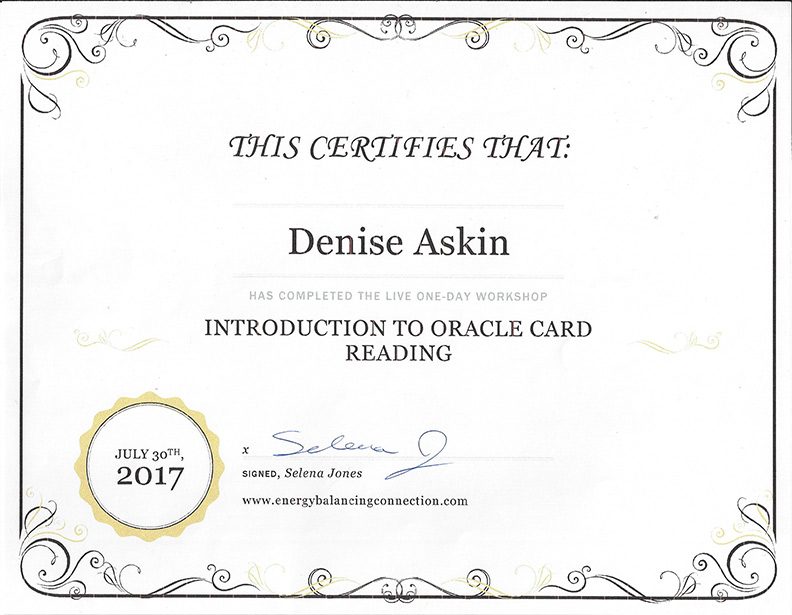
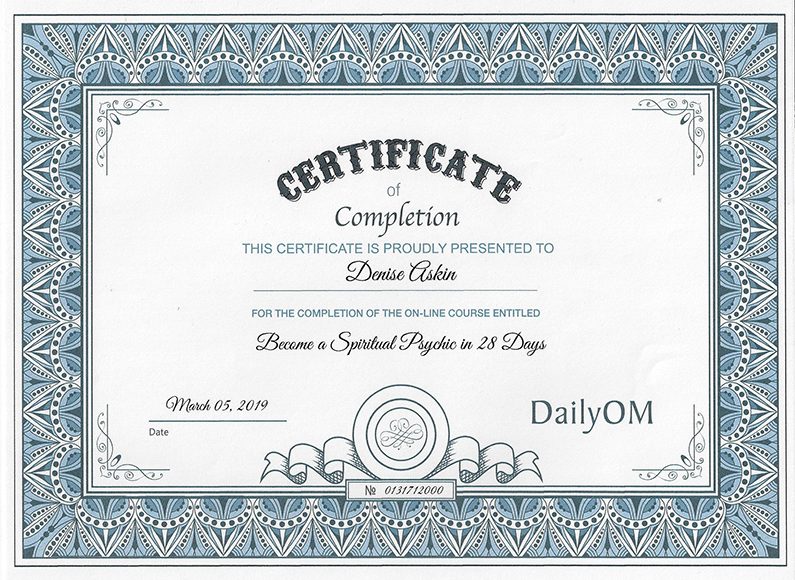
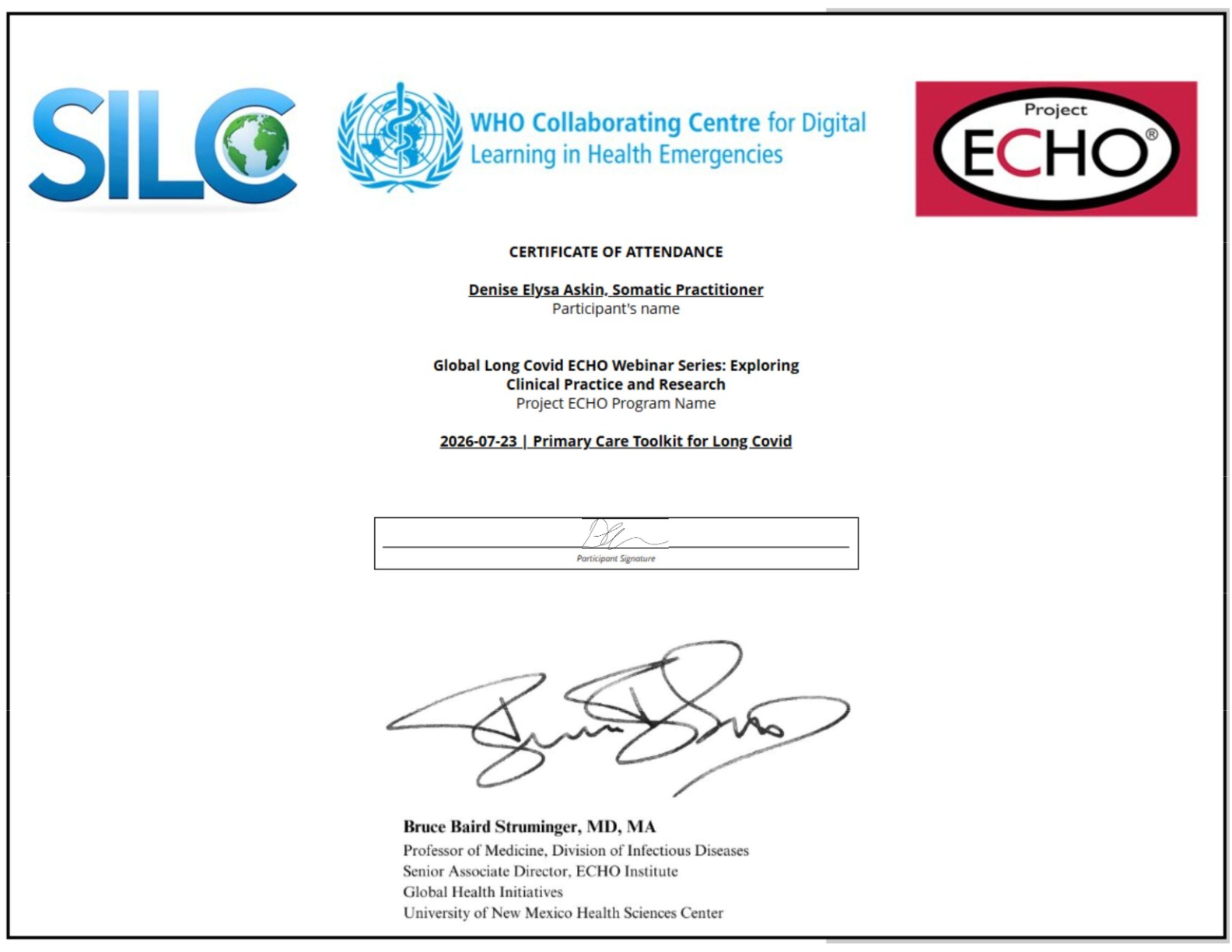
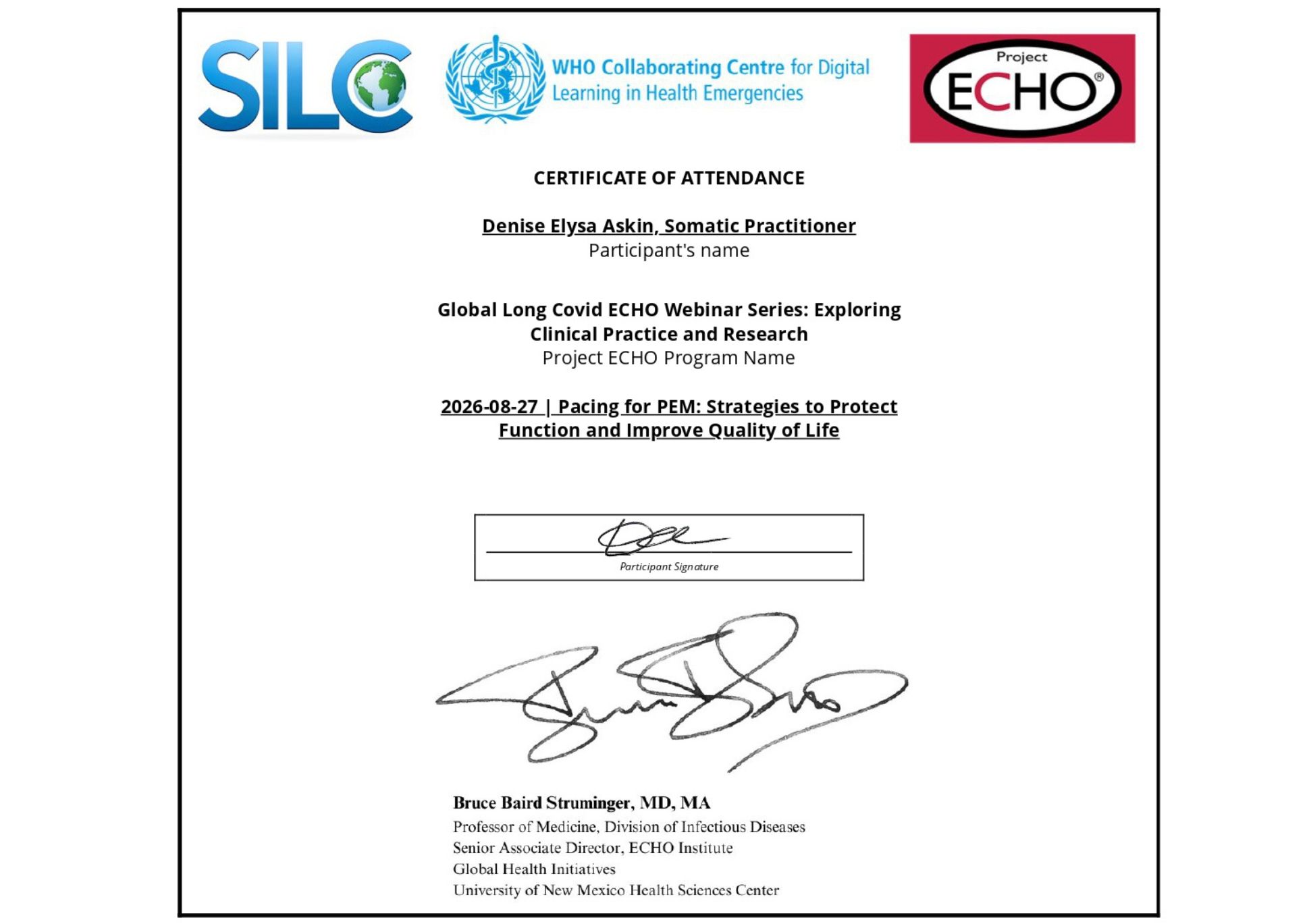
There are more people calling themselves somatic practitioners, energy healers, and nervous system guides than ever before. For someone at the beginning of a healing journey, that can feel like good news and an overwhelming landscape at the same time. When you are already dealing with fatigue, brain fog, sensory sensitivities, or the particular kind of exhaustion that comes from navigating complex chronic illness, the last thing you need is to spend precious energy on the wrong fit, or worse, someone who causes harm.
Knowing how to choose a somatic practitioner or intuitive energy healer takes more than a quick Google search. It takes a sense of what you are actually looking for, some understanding of how unregulated this space can be, and enough trust in your own knowing to walk away from something that does not feel right. This post covers what that actually looks like in practice.
“Trauma-Informed” Is Not a Regulated Credential
This is worth highlighting from the beginning: many of the terms you will encounter in this space are not regulated. Somatic practitioner, energy healer, nervous system coach, somatic guide, anyone can use these words. The same goes for “trauma-informed.” It appears in bios and websites with such regularity that it has started to lose meaning, and that matters when you are trusting someone with your nervous system.
Asking what makes a practitioner trauma-informed is a reasonable and genuinely useful question. What training have they completed? How long ago? With whom? Do they understand the difference between titration and flooding, between a productive challenge and retraumatization? Do they know how to slow down or stop a process if something is too much? Practitioners who have done genuine trauma-informed training will be able to answer these questions without defensiveness. Those who use the term as a marketing label often cannot.
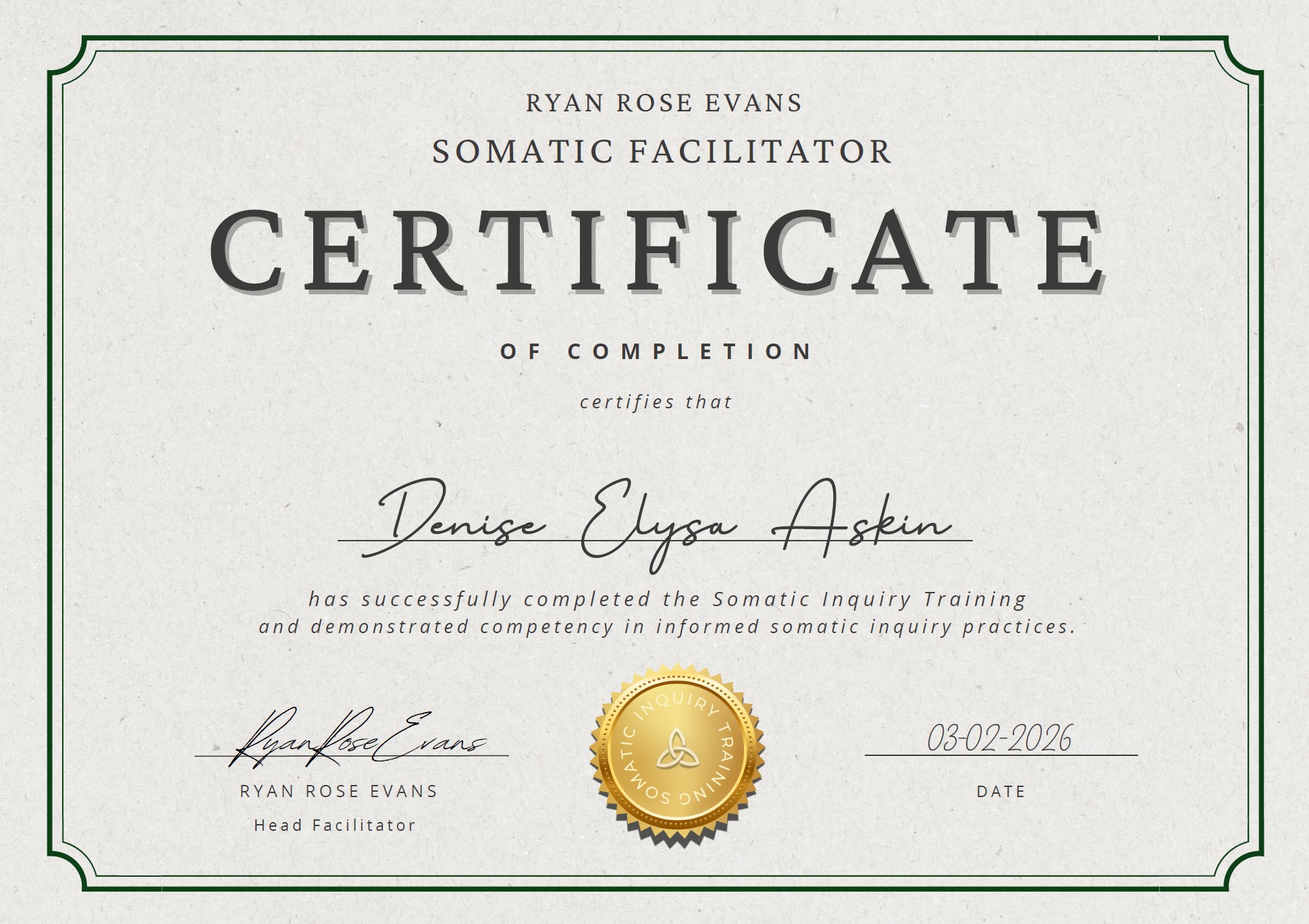
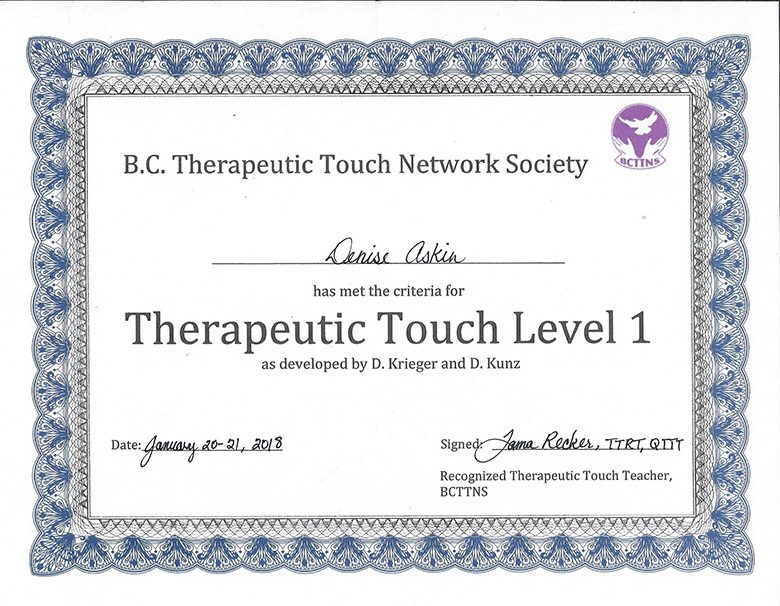
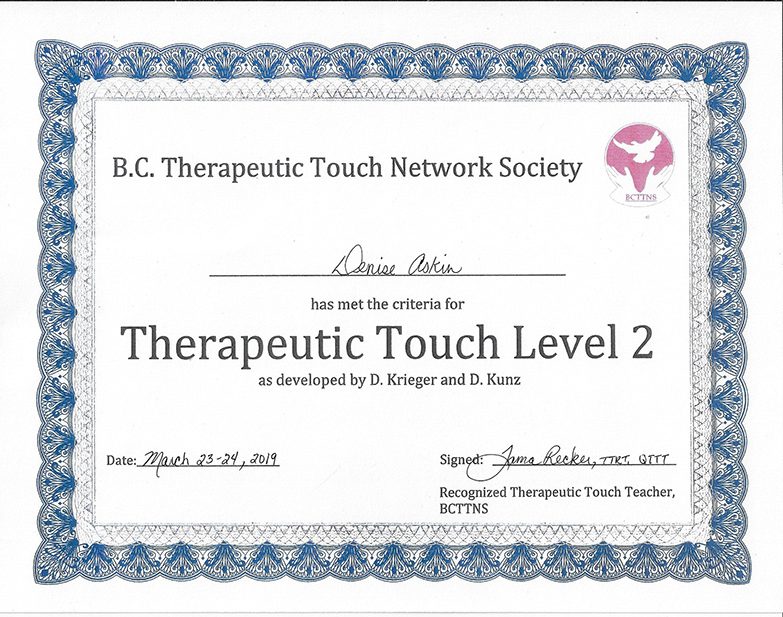
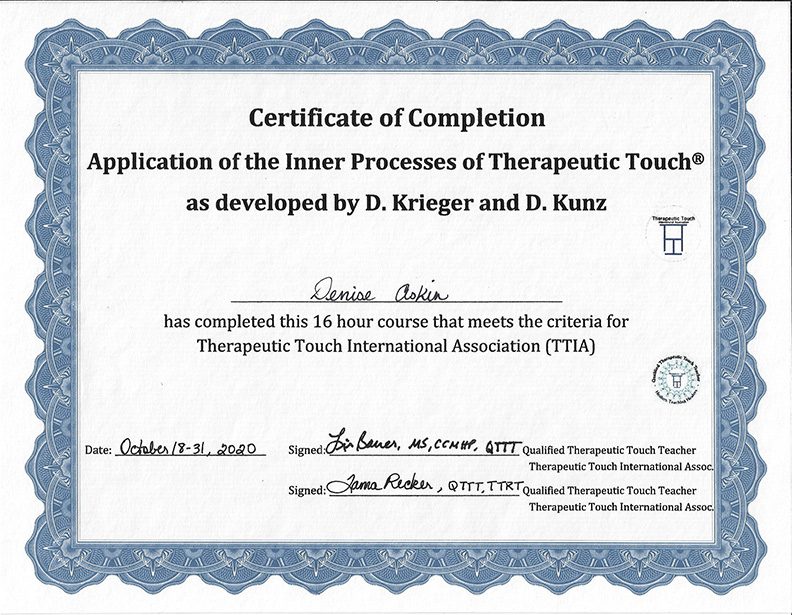
Certifications and training matter, but they are not the whole picture. Denise Elysa, whose approach to somatic and energy healing work has developed over more than 13 years, shares that the most important thing a practitioner brings to the room often extends beyond their credential list. It is their relationship to their own material, their capacity to stay present without needing to fix or rush, and their genuine understanding of what safety in the body actually feels like. You can watch Denise speak to her own training and the path that brought her to this work in this introductory video recorded prior to her Somatic Reconditioning Practitioner certification, so it won’t reflect her full current training, but it offers an honest account of who she is and how she came to do this work.
What Questions Are Worth Asking Before You Book
Most practitioners who are good at what they do will not take it personally when a prospective client asks questions before committing. In fact, a willingness to answer honestly, without pressure or defensiveness, is often a signal in itself.
Some questions worth considering:
- What modalities do you work with, and how do they intersect?
- What is your understanding of the nervous system and how it relates to trauma or chronic symptoms?
- How do you handle it if something gets too intense during a session?
- Do you have experience working with people who live with invisible illness, complex chronic disease, or neurodivergence?
- What does a typical session look like, and how do you pace the work?
- Are you in ongoing supervision or peer consultation?
That last one is worth pausing on. Practitioners who are committed to doing good work tend to have their own support systems, whether that is supervision, consultation, peer groups, or their own ongoing healing work. The image of the guru who has arrived at some complete version of knowing and now dispenses it to others is one to move away from, not toward. In one of her earliest episodes of Coming Home to Ourselves, Denise spoke directly to this, reflecting on what it means to step away from guru culture and why the most trustworthy practitioners are the ones who are still in it alongside you. A new episode exploring this further was released in June 2026, along with a corresponding blog post.
When Your Body or Circumstances Require Something More Specific
For many people searching for somatic practitioners or energy healers, the search is not general. There is a specific diagnosis, a particular history, or circumstances that make generic wellness spaces feel unsafe or simply not relevant.
If you are living with complex chronic illness (ME/CFS, MCAS, Fibromyalgia, POTS, hEDS, Lyme disease and co-infections, or similar), the stakes of finding the right practitioner are higher. Somatic work done without care or adequate pacing can overwhelm an already sensitized nervous system. Denise writes and speaks extensively about this. Her own navigation of over 30 medical diagnoses is what eventually brought her to this work, and it shapes how she approaches every session. If this is your context, asking a prospective practitioner what they know specifically about post-viral illness, mast cell reactivity, or the nervous system implications of chronic disease is entirely appropriate. From here, you gain more information to help you discern which practitioners feel aligned and safe for you.
The same care applies if you are neurodivergent. Many somatic and energy healing spaces were not designed with autistic people, ADHDers, or AuDHD folks in mind. Sensory differences, the particular way interoception works for many autistic people, executive functioning needs, and the exhaustion of masking all have implications for how healing work is best approached. A practitioner who treats neurodivergence as something to fix is worth moving away from. So is one who does not understand that many of the challenges neurodivergent people experience arise from the mismatch between their nervous system and environments that were not built for them. These are not minor oversights in this work.
Denise has spoken about the intersection of ancestral healing, body memory, and what we carry that may not have even originated with us. If this resonates, the conversation she had with family constellation facilitator Blanka Molnar in S3E2 of Coming Home to Ourselves is worth listening to. The accompanying blog post goes deeper into how somatic inquiry and family constellation work can be held together thoughtfully.
The Difference Between Energy Healing and Somatics (and Why It Matters for Your Search)
Not all practitioners who work with the body work somatically, and not all energy healers incorporate somatic inquiry. These are distinct approaches, and understanding the difference helps you search more accurately for what you are actually looking for.
Somatic work engages the body directly in the therapeutic process. This includes sensation, movement, posture, breath, and the way the nervous system holds and expresses experience. An intuitive energy healer works with the body’s energetic system, which may involve sensing, shifting, or supporting the flow of energy without necessarily engaging verbal or movement-based somatic processes. Some practitioners, including Denise, work across both. Her practice blends somatic inquiry, somatic parts work, intuitive energy healing, and other modalities including past life regression, holding all of it within a nervous system-informed framework.
Selena Jones, an energy balancing practitioner who joined Denise for S2E3 of Coming Home to Ourselves, speaks to how energy healing opens a different channel of listening to the body, one that can access what talking alone may not reach. The blog post from that episode explores this further and may help you clarify what kind of support you are looking for as you search.
When you are looking for a somatic energy practitioner or an energetic healer in Canada (or anywhere else), being clear about the distinction between these modalities helps you ask better questions and narrow your search more meaningfully. Not every practitioner will blend both. Some work primarily somatically; others work primarily with energy. It is also worth knowing that many skilled practitioners offer sessions online, which opens up the search considerably. Denise works virtually with people anywhere in the world, which means geography does not need to be the deciding factor. Understanding what each approach offers helps you know which questions to ask and which practitioner is worth pursuing.
Not All Somatic Training Is the Same
Somatic practitioner is not a single thing. The word covers a wide range of approaches with meaningfully different scopes, depths, and training requirements, and understanding the distinction helps you ask better questions before committing.
Somatic movement work focuses primarily on the body’s physical expression. It might involve guided movement, dance, or breath practices that help release held tension and reconnect with physical sensation. This work can be supportive, particularly for people who have become disconnected from their bodies. It tends to stay at the level of the physical and expressive, rather than moving into the relational or psychological layers underneath.
Somatic inquiry and somatic parts work go considerably deeper. Rather than solely moving through or releasing what is held in the body, they involve slowing down enough and creating enough safety in your system to actually turn toward it. This means sitting with sensation, exploring what it carries, and gently making contact with the parts of the self that organized around particular experiences. It works closer to therapy territory than somatic movement does, in the sense that it engages psychological content, not just physical expression. This proximity to therapy is precisely why the training, ethics, and pacing of the practitioner matter so much.
Denise is trained specifically in somatic inquiry and somatic parts work, which she holds within her broader framework of intuitive energy healing and nervous system-informed practice. If you are drawn to work that goes beyond movement and breathwork into the layers underneath, that distinction is worth asking about directly when you speak to a potential practitioner. The question is not just “are you a somatic practitioner,” but what kind of somatic work they are trained in and how deeply it goes.
What Safety Actually Looks Like in This Work
Safe somatic healing and energy healing work has a recognizable quality. There is no rushing, no sense that the practitioner needs to get somewhere by the end of the session. Checking in is built into how the work moves, not added as an afterthought. The pacing follows your nervous system’s capacity rather than a predetermined outcome or timeline. Activation (a tightening, a surge of emotion, something rising in the body) is treated as information, not as a problem to manage quickly. And the whole thing rests on the understanding that you are the authority on your own experience.
Denise offers a free lesson on somatic healing for chronic symptoms inside the EmbodiedSoul community, which walks through how somatic inquiry actually works in real time with a sensitized nervous system. While it doesn’t explain the deeper layers of energy work, or how she would support an individual prior to them being ready for something of this depth, it is a useful reference if you want a felt sense of what this work can look and feel like before committing to a practitioner. (Note: browse the app at embodiedsoul.passion.io before creating any account, as creating an account removes the ability to preview other available content.)
For those living with complex chronic disease in particular, Denise has also created a 5-week meditation and energy healing series originally developed for patients navigating complex illness. The introductory video for that series, which covers what to expect from the sessions and walks through some safety considerations, is available here. This video was recorded prior to Denise’s Somatic Reconditioning Practitioner certification, which is worth noting, but the safety framework it covers remains relevant.
There is a meaningful difference between a practitioner who moves carefully because they have genuinely worked through their own relationship to pacing and dysregulation, and one who moves carefully because they have been trained to say the right things. You tend to feel the difference. If something in a consultation or session feels rushed, dismissive, or pressured, if there is an urgency to move quickly or a sense that your hesitation is inconvenient, pay attention to that. Your body is already telling you something.
A Note on Practicalities: Location, Access, and Online Work
Many somatic practitioners and energy healers in Canada and beyond now offer sessions online, which has meaningfully expanded access for people who are housebound, live rurally, or cannot reliably travel due to illness or disability. This is worth asking about directly when you reach out to a practitioner, particularly if your energy envelope is limited.
Online sessions in somatic and energy healing work are not a lesser substitute for in-person sessions. For many people, the capacity to work from their own environment, where they have access to their specific supports, where their nervous system is not already taxed from travel, and where they can rest immediately afterward, actually allows for deeper work than an in-person setting would. Denise works with clients remotely and has found this to be true across the full range of modalities she offers.
If Denise’s Approach Resonates
Denise Elysa works as an intuitive energy healer, somatic practitioner, past life regression practitioner, oracle card reader, and guide. Her work blends somatic inquiry, somatic parts work, nervous system-informed education, intuitive energy healing, and grounded spirituality. She holds a particular place in her heart for those navigating complex chronic illness and has walked that road herself. She is also contracted to two Internal Medicine Specialists at the BC-CLMF to co-facilitate group sessions for their patients, which reflects both her grounding in clinical contexts and the breadth of her experience in this field.
You can also view Denise’s reference letters from two of the BC-CLMF Internal Medicine Doctors, which speak to her work supporting patients navigating complex chronic illness and nervous system dysregulation.
She does not position herself as someone who heals people. Her role is to guide, educate, support and hold space while each person does their own work and awakens their own capacity for healing. If that framing resonates, you can learn more about her and how she came to this work on her About page or through her Guiding Principles.
Her most comprehensive 1:1 offering is The Bridge to Embodiment, an eight-session program over approximately six months that blends somatic inquiry, energy healing, intuitive practices, and more. New spaces open as people complete their time with Denise. If you are looking for something more accessible as a starting point, the EmbodiedSoul with Denise Elysa Community is the most flexible entry point, a growing library of on-demand practices, monthly live events, and a space to go at your own pace. You can browse what is inside at embodiedsoul.passion.io before creating any account, though the page on our website gives a more comprehensive overview of what to expect inside.
If her style resonates and you want to hear her work in a more conversational format first, the Coming Home to Ourselves podcast is a good place to start.
Frequently Asked Questions
What is the difference between a consultation and a first session with a somatic practitioner?
A consultation is typically a brief conversation before any therapeutic work begins, and it serves a specific purpose: it gives you a chance to ask questions, hear how the practitioner works, and get a felt sense of whether the relationship feels safe enough to proceed. A first session may involve some intake conversation as well, but it should also give you some direct experience of the practitioner’s approach. Both are valuable data points. How a practitioner holds the consultation, whether they create space for your questions, how they respond when you are uncertain, tells you something about how they will hold the work itself.
Are somatic practitioners regulated in Canada?
Somatic practitioner is not a regulated title in Canada, which means the quality and scope of training can vary significantly between practitioners. Some have extensive professional training; others may have completed a short online course. This is why asking specific questions about training, supervision, and scope of practice matters more here than in regulated health professions. It also means that the responsibility for due diligence sits more heavily with the person seeking support.
Can somatic healing or energy healing help with complex chronic illness?
Many people living with complex chronic illness, including ME/CFS, MCAS, Fibromyalgia, and related conditions, have found somatic and energy healing work to be a meaningful part of their broader healing journey. This is not medical advice, and somatic or energy healing work is not a substitute for appropriate medical care. For those who do explore it, finding a practitioner with specific knowledge of the nervous system implications of chronic illness, and who understands the importance of working within a fluctuating energy envelope, is particularly important.
What is the difference between a somatic practitioner and an energy healer?
Somatic practitioners work with the body through sensation, movement, breath, and the nervous system’s held experience. Energy healers work with the body’s energetic system, which may involve sensing or supporting energetic flow. Some practitioners blend both approaches. If you are not sure which is right for you, looking for someone who works across both and can help you find the right entry point for your particular needs may be a useful starting place.
How do I know if an online somatic or energy healing session will actually work for me?
Many people find that working online from their own environment supports rather than limits the depth of the work, particularly if they are managing chronic illness, limited mobility, or high sensory sensitivity. The practical question is whether the practitioner has experience delivering sessions remotely and whether they have thought through how to create safety and containment in that context. It is reasonable to ask this directly before booking.
Ready to Go Deeper
If you are somewhere in the middle of figuring out what kind of support fits you, and Denise’s approach feels like it might be worth exploring, her most comprehensive 1:1 offering is The Bridge to Embodiment, an eight-session program over approximately six months, blending somatic inquiry, energy healing, intuitive practices, and more. New spaces open as people complete their time with Denise. You can join the waitlist or enquire here.
If you are looking for a more accessible starting point on your healing journey, or want to experience Denise’s work before committing to 1:1 sessions, the EmbodiedSoul with Denise Elysa Community is open and available at your own pace.
Resources
EmbodiedSoul with Denise Elysa Community
The EmbodiedSoul with Denise Elysa Community is a desktop and mobile-friendly web app and community platform. Inside, members have instant access to over $1,000 worth of on-demand guided practices, workshops, ceremonies, meditations and more. Denise hosts approximately 2–3 live events per month for community members, including Live Guest Experts, Live Connection Calls, The Seasonal Pause: Equinox and Solstice Ceremonies, Live Energy Healing Sessions, Guided Practices and more. All events are free to members and pre-registration is required. Explore the EmbodiedSoul Community
Work with Denise
Denise offers a few different ways of working 1:1 depending on individual needs and commitment levels. Explore how to work with Denise
Meditation and Energy Healing 5-Week Series
Originally developed for patients living with complex chronic diseases, this series has also been shown to be supportive for anyone navigating challenging life circumstances or looking to deepen into inner work through meditation, energy healing and self-exploration. Available inside the EmbodiedSoul Community
Free Resource: Somatic Healing for Chronic Symptoms
How to take what is learned about somatic inquiry, somatic healing, and somatic parts work and apply it in real time when experiencing symptoms that feel scary. This free lesson walks through the experience. Note: browse the app at embodiedsoul.passion.io before creating a free account, as creating any account removes the ability to preview other available content. Access the free lesson
The Podcast
A new episode of Coming Home to Ourselves with Denise Elysa releases the first Sunday of every month. Available on web browser, Spotify, YouTube, Apple Music and Amazon Music. Listen now
The Newsletter
Free newsletter with energy updates, resources, tools, event invitations and more. Join the newsletter