Living with long COVID and other chronic illnesses like ME/CFS and Fibromyalgia comes with many challenges, from delayed diagnoses to limited care options. However, patient-centered approaches are beginning to shift how these conditions are understood and treated.
In this blog, you’ll explore insights from Dr. Ric Arseneau and Dr. Jane McKay, whose work highlights more compassionate, multidisciplinary models of care that prioritize patient experiences and real-world outcomes as discussed in a recent podcast.
Despite the unusually high success rate the BC-CLMF has, policy changes are threatening 6000+ chronically ill patients’ access to safe and informed medical care.
What’s changing in chronic illness care, and why does it matter now? Let’s take a closer look.
Revolutionizing Care for Long COVID and Chronic Illnesses
Living with chronic illnesses such as long COVID, ME-CFS, and fibromyalgia presents unique challenges, often compounded by systemic healthcare barriers. For people who are chronically ill, life itself brings many barriers, and now, as discussed more thoroughly in this recent podcast episode, the BC medical system is about to make changes that will exponentially increase these challenges. Patients frequently encounter delays in diagnosis, inadequate treatment, and a lack of understanding from healthcare providers. Innovative care models are emerging, offering hope and improved outcomes, as long as the BC government reverses recent policy changes to allow them to stay in place as they are. This post explores insights from Dr. Ric Arseneau and Dr. Jane McKay on patient-centered, multidisciplinary approaches that are reshaping chronic illness care.
The Diagnostic Dilemma
Patients with conditions like Chronic Fatigue Syndrome and Long COVID often face prolonged diagnostic journeys. A 2015 study revealed that the average time to diagnosis can be five years or more, with many patients initially misdiagnosed with psychiatric disorders. This misdiagnosis leads to stigma and ineffective treatments, highlighting a critical need for better training and awareness among healthcare providers.
Key Insight:
Recognizing these conditions as legitimate, multi-systemic illnesses is crucial. Dr. McKay emphasizes the importance of understanding these illnesses as affecting every body system, requiring a comprehensive approach beyond traditional diagnostics.
A New Model of Care: The BC Center for Long COVID, ME/CFS and Fibromyalgia
The BC Center for Long COVID, ME/CFS and Fibromyalgia (BC-CLMF), led by Dr. Arseneau and Dr. McKay, exemplifies a successful, patient-centered model. This clinic integrates:
- Interdisciplinary Teams: Including doctors, therapists, mental health professionals and other allied health professionals.
- Holistic Support: Offering ongoing care tailored to individual needs.
- Patient Narratives: Emphasizing the importance of listening to patient stories to inform treatment.
Why It Works:
This model values patient voices and fosters a supportive community, leading to significant improvements in patient outcomes. As Dr. Arseneau notes, the clinic’s success lies in its people, the patients and clinicians who deeply understand these conditions.
S2E11 6000+ Lives on the Line in BC

Policy Challenges and Access Barriers
Despite its success, the clinic faces challenges from policy changes that threaten virtual care access. The BC Ministry of Health’s plan to limit virtual group visits could disproportionately affect rural and low-income patients, increasing emergency visits and hospitalizations.
The Issue:
Virtual care is essential for many patients who cannot access in-person services. Limiting this access exacerbates existing inequities, as Dr. McKay points out, deepening the divide for those living near the poverty line.
Economic Impact:
The clinic’s model not only improves patient outcomes but also offers significant cost savings. For every dollar spent, the clinic generates substantial social value, reducing overall healthcare costs.
Combating Misinformation and Advocating for Change
Misinformation about these clinics, often portrayed as unnecessary, undermines their proven benefits. These programs are grounded in clinical expertise and patient experiences, offering evidence-based, individualized care.
The Bottom Line:
Patient-centered care is not just compassionate; it’s effective. Dr. McKay stresses the importance of integrating clinical expertise with patient preferences to deliver safe, cost-effective care.
Advocacy is crucial. Patients and supporters must engage with grassroots organizations, educate policymakers, and demand transparent discussions focused on equity and outcomes.
Conclusion: A Path Forward
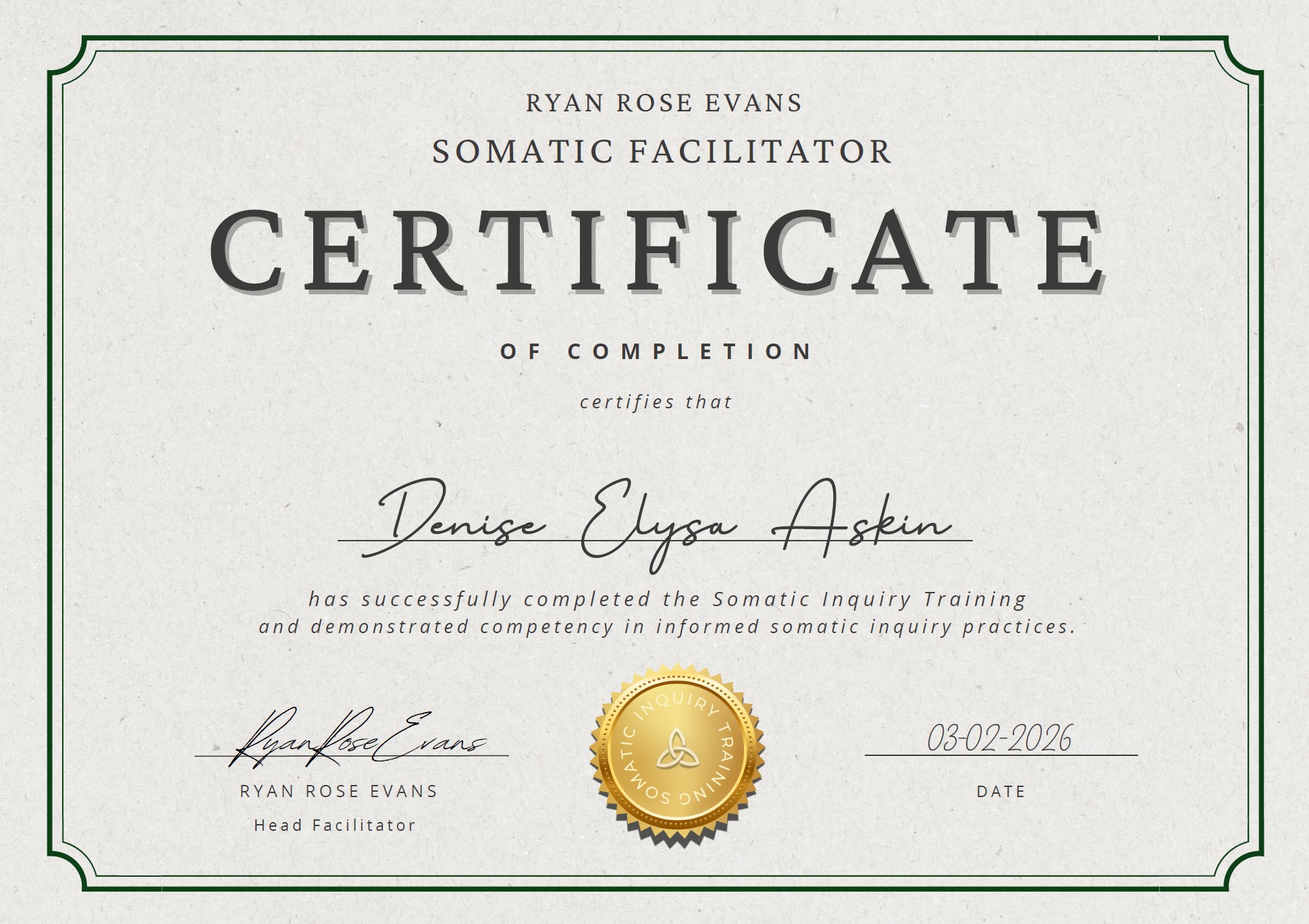
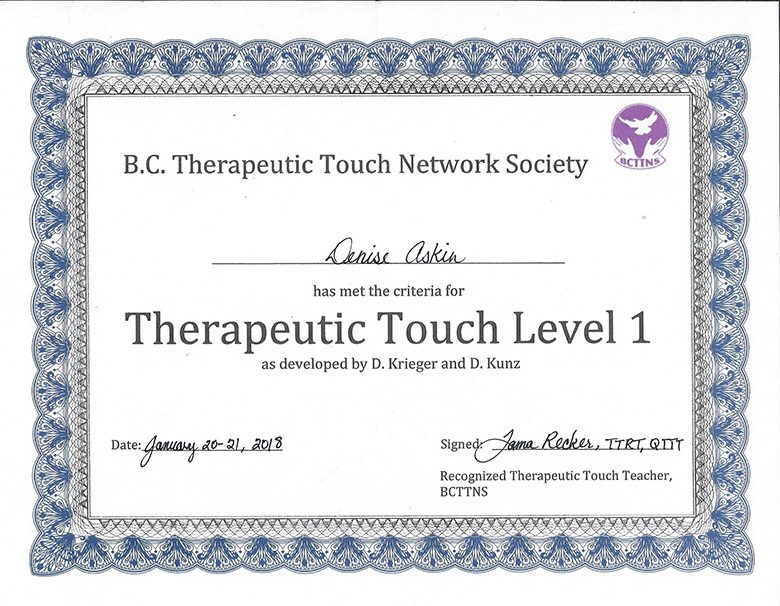
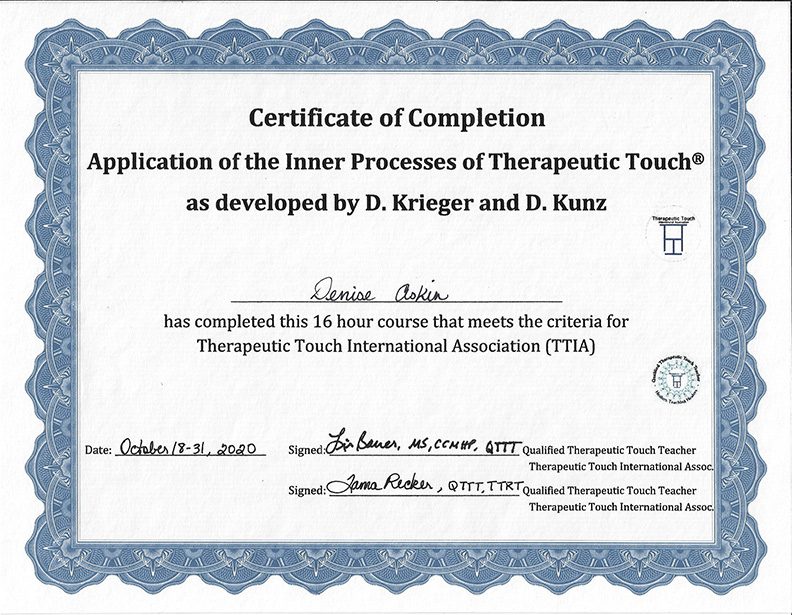
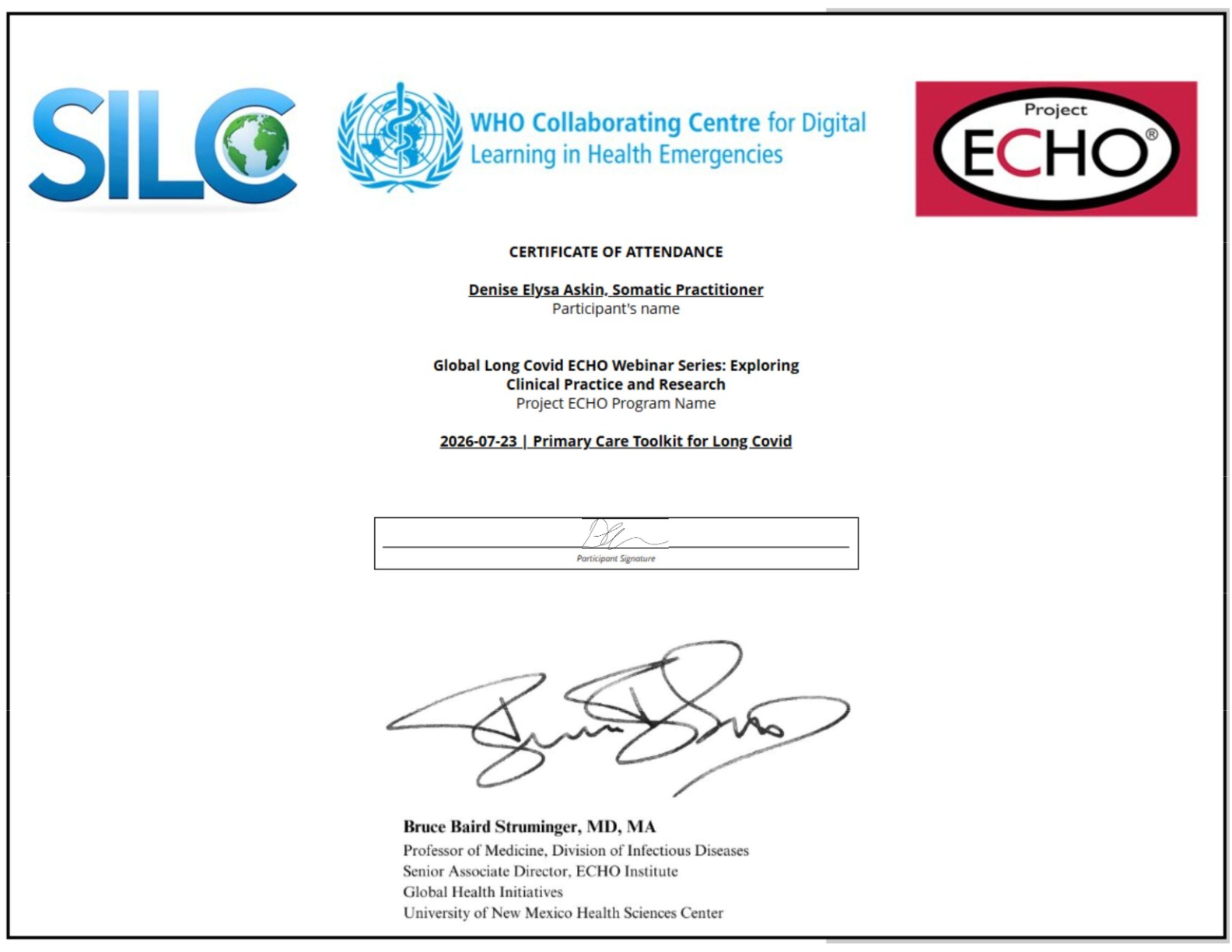
Denise Elysa is one of the well respected co-facilitators offering multidisciplinary support and bottom-up processing techniques through the BC-CLMF clinic. Her groups, along with the other co-facilitators who offer support there, are highly attended and offer a unique layer to the quality of care that is offered by Dr. Ric Arseneau, Dr. Jane McKay, and the other medical professionals at the clinic. It is partly due to these multidisciplinary supports that the BC-CLMF has significantly higher rates of remission, return to work and quality of life for their patients, as shown in the MNP SROI Study. Follow Denise Elysa for more insights, resources, and conversations around chronic illness, somatic healing, and coming home to yourself. Share, engage, and be part of a community that is reimagining care with compassion and chronic illness informed practice.
Final Thought:
Supporting models that empower and heal can save lives and reimagine healthcare for a more compassionate future.
Frequently Asked Questions
1) Why does long COVID cause fatigue?
Fatigue is one of the most common and challenging symptoms of Long COVID. Researchers believe it happens because the illness affects multiple systems in the body, including the immune system, nervous system, and the processes that produce energy within the cells.
After the initial infection, some people experience ongoing inflammation or immune system imbalance, which can affect how the body produces and uses energy. In addition, changes in the autonomic nervous system and reduced oxygen utilization may make even small tasks feel exhausting.
For many people with long COVID, this fatigue is not simply “being tired.” It can involve post-exertional malaise, where physical or mental activity worsens symptoms and requires extended recovery time. Additionally, pushing through post-exertional malaise (also known as PEM or PEM-awos, post-exertional malaise and worsening of symptoms) for someone with long COVID or ME/CFS can lower a person’s baseline level of health.
2) What is the link between long COVID, ME/CFS and Fibromyalgia?
Long COVID, Myalgic Encephalomyelitis/Chronic Fatigue Syndrome and Fibromyalgia share many overlapping symptoms, including chronic fatigue, widespread pain, sleep disturbances, and cognitive difficulties (often called brain fog).
These conditions appear to involve changes in how the nervous system processes pain and stress signals as well as mitochondrial function. Researchers believe viral infections, including COVID-19, can sometimes trigger shifts in the immune and nervous systems that resemble those seen in Fibromyalgia and ME/CFS.
Because of these similarities, some people who develop Long COVID may experience symptoms that closely resemble Fibromyalgia or other post-viral syndromes such as ME/CFS. This overlap highlights the need for multidisciplinary care models that address the whole person rather than focusing on a single symptom.
3) How to speed up recovery from long COVID, ME/CFS or Fibromyalgia?
Recovery from Long COVID, Myalgic Encephalomyelitis/Chronic Fatigue Syndrome, or Fibromyalgia can take time, and there is no single treatment that works for everyone. However, several strategies are helping patients manage symptoms and support gradual recovery:
- Pacing and energy management to avoid post-exertional symptom flare-ups
- Multidisciplinary care, including medical, physical, somatic or nervous system based support and mental health support
- Sleep optimization and stress management to support the body’s healing processes
- Nutrition and hydration to maintain overall health and immune balance
- Listening to the body’s limits and gradually increasing activity when possible
- Rebuilding a felt sense of safety in the body and reconnecting to the body as well as neuroplasticity techniques
Many specialists emphasize that recovery is rarely linear. Supportive care and patient-centered approaches, like those used in multidisciplinary clinics, can significantly improve quality of life during recovery.
4) What is the remission rate for chronic illnesses such as ME/CFS, Fibromyalgia and Long COVID
Remission rates vary widely because these conditions affect people differently and are still being actively studied.
ME/CFS: Long-term remission is relatively uncommon, with some studies suggesting that only a small percentage of patients experience full recovery. However, many people do see improvements in symptoms over time with supportive care.
Fibromyalgia: Symptoms can fluctuate, and while complete remission is rare, many patients experience meaningful improvement with comprehensive treatment and lifestyle adjustments.
Long COVID: Because it is a newer condition, long-term remission data is still evolving. Early research suggests that some people recover within months, while many experience symptoms for much longer.
Many patient-centered programs are finding that care models built around the patient and supported by a multidisciplinary team, can help people better manage symptoms, maintain daily functioning, and improve overall quality of life.