If you have been living with ME/CFS, or are beginning to wonder whether what you’re experiencing has a name, there is a good chance you’ve already spent more time than anyone should trying to be believed. Fatigue that doesn’t lift with sleep, symptoms that seem invisible to everyone outside of you, and a medical system that may have sent you home more than once with very little in the way of answers.
ME/CFS, or Myalgic Encephalomyelitis/Chronic Fatigue Syndrome, is a complex, multi-system disease with measurable physiological effects on the nervous system, immune function, and cellular energy production. The name “chronic fatigue syndrome” has contributed to decades of misunderstanding; the fatigue involved is profoundly different from tiredness or burnout, and the condition affects far more than energy levels alone.
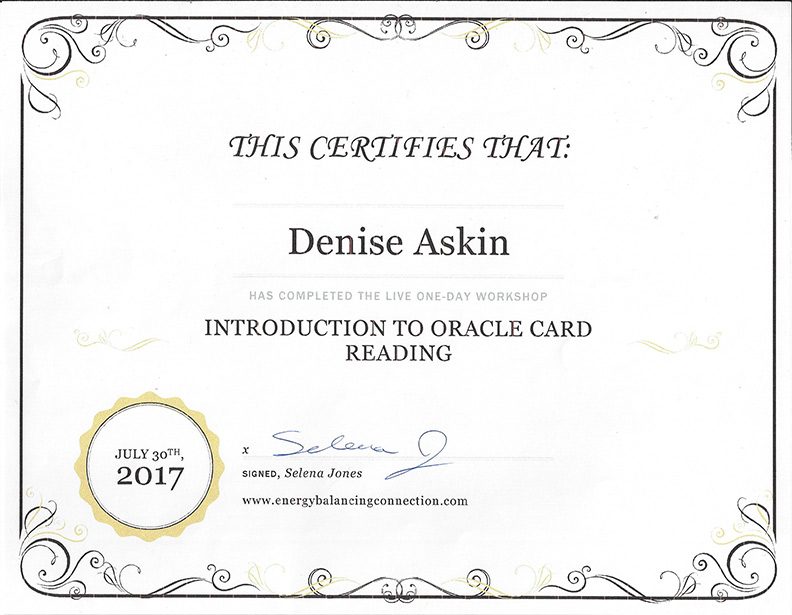
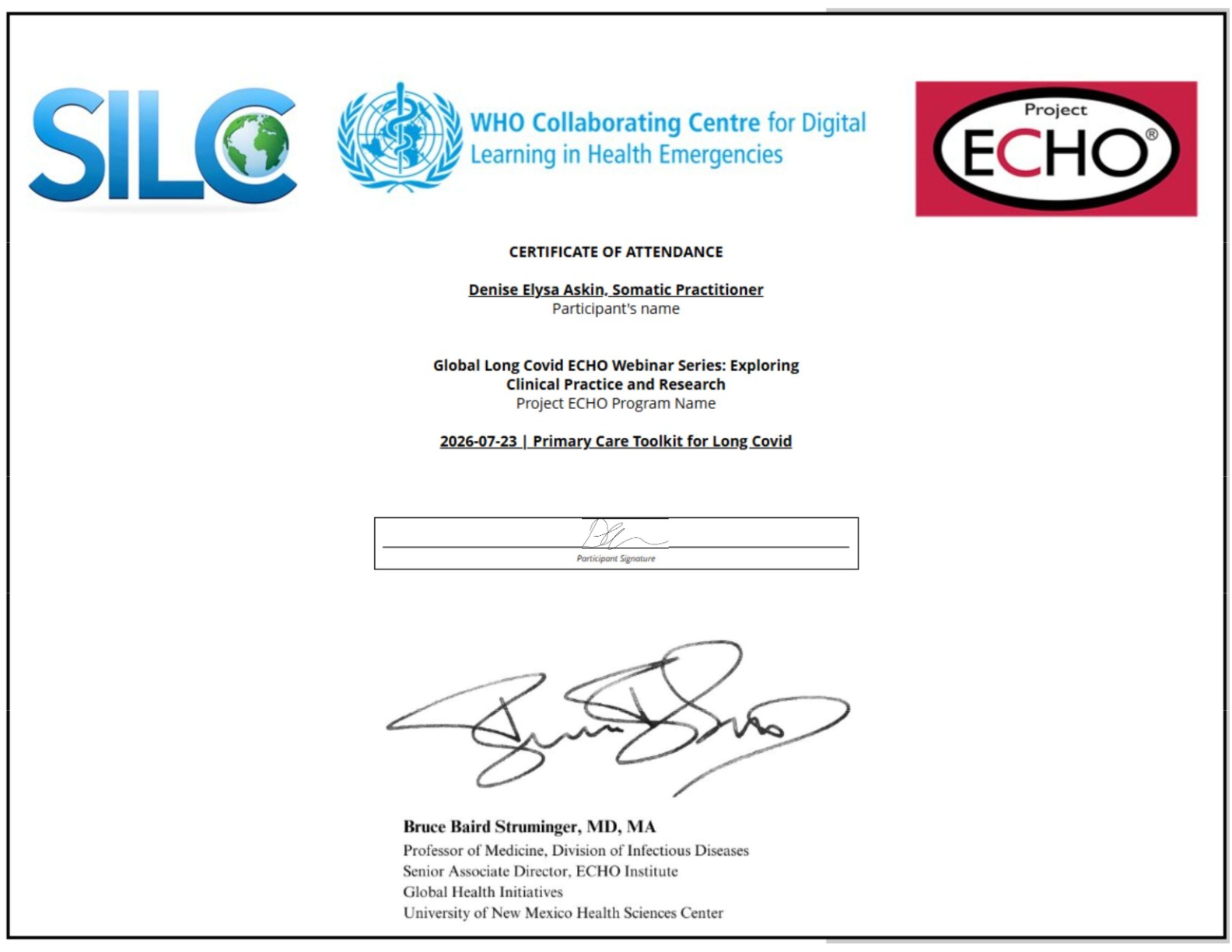
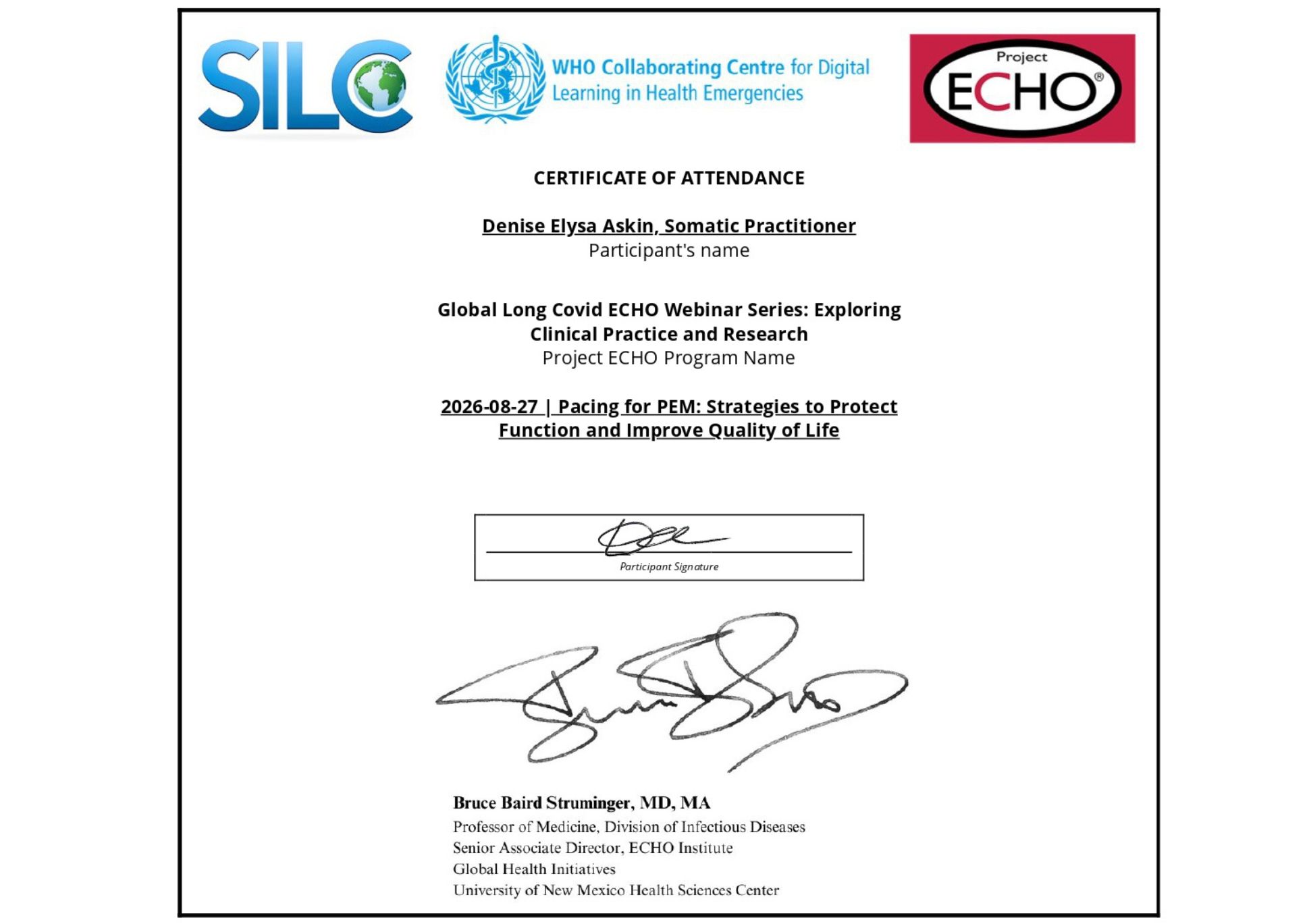
Denise Elysa knows this from inside her own experience with the illness. After a Lyme disease relapse and post-viral illness in her late twenties and early thirties, combined with a nervous system under considerable strain, she became fully bedbound, unable to eat or speak, and reliant on a wheelchair for outings when they eventually became possible. Her recovery has been slow, layered, and ongoing, through a combination of medical care, somatic inquiry, and intuitive energy healing. She has been supporting others living with ME/CFS and related conditions ever since, including as a co-facilitator in a clinical setting through the BC-CLMF. This post draws from that lived experience, as well as the research that has helped clarify, though not yet fully explain, this deeply complex disease.
What Is ME Chronic Fatigue Syndrome?
Myalgic Encephalomyelitis/Chronic Fatigue Syndrome goes by several names depending on where you are in the world. “Chronic fatigue syndrome” is the more common term in North America; “myalgic encephalomyelitis” is used more widely in the UK and internationally. Breaking the second name down: “myalgic” refers to muscle pain, and “encephalomyelitis” to inflammation of the brain and spinal cord. Neither name fully captures what people living inside this illness actually experience.
ME/CFS is recognized by the World Health Organization as a neurological condition. It affects an estimated tens of millions of people globally, occurs more frequently in women than men, and is most commonly diagnosed in adults between the ages of 40 and 60, though it can affect people of any age or background. The co-occurrence of hEDS, POTS, and MCAS is common enough in these communities to have its own informal name: the Trifecta. Many people also carry ME/CFS, fibromyalgia, Lyme, or Long COVID alongside the Trifecta, which is something Denise navigates herself and which shapes much of her understanding of how these conditions layer and interact.
Recognizing Myalgic Encephalomyelitis Symptoms
Myalgic encephalomyelitis symptoms are wide-ranging and can shift considerably from day to day, or even hour to hour. The hallmark feature of ME/CFS is post-exertional malaise, often referred to as PEM: a worsening of symptoms following physical, cognitive, or emotional exertion, which can arrive anywhere from a few hours to 48 hours after the triggering activity. PEM is what distinguishes ME/CFS from other forms of fatigue. It is a systemic crash, and it shapes almost everything else about how this illness is understood and managed.
Other commonly reported symptoms include:
- Profound, unrefreshing fatigue that does not improve with rest
- Cognitive difficulties often described as brain fog, including impaired memory, concentration, and processing speed
- Unrefreshing sleep, even after a full night
- Orthostatic intolerance, which is formally recognized as a diagnostic feature of ME/CFS alongside cognitive impairment, and involves symptoms like dizziness, palpitations, or nausea when upright that ease when lying down
- Widespread muscle and joint pain, headaches, and sensory sensitivities
- A significantly reduced capacity for daily activity compared to prior function
Severity varies widely. Some people with ME/CFS manage with significant support structures in place; others are housebound or bedbound for months or years. A person living at either end of that range deserves the same recognition and care. The condition has a long history of being dismissed as exaggeration or psychosomatic, and that history has created a lot of harm for the people living with it.
Causes of Myalgic Encephalomyelitis: What Current Research Suggests
The causes of ME/CFS are not yet fully understood, and research in this area is evolving. The most well-documented trigger is a preceding viral or infectious illness; the significant overlap between ME/CFS and Long COVID has brought renewed scientific attention to this, and has helped validate what patients have been reporting for decades.
Beyond viral triggers, current research points to a combination of contributing factors: immune dysfunction, disruptions to mitochondrial energy production at the cellular level, and dysregulation of the autonomic nervous system. There is also growing evidence of neuroinflammation and reduced cerebral blood flow in ME/CFS, with a 2024 systematic review and meta-analysis identifying neuroinflammation as the most widely supported hypothesis for the condition’s pathophysiology, though the mechanisms are still being studied and the picture is far from complete.
The distinction between causes and contributing factors is worth being aware of. Many people who develop ME/CFS describe a confluence of circumstances: a genetic predisposition, a history of accumulated strain on the nervous system, a viral trigger, and sometimes years of a body running beyond its sustainable capacity before anything became visible. This layering is part of why the condition can present so differently from person to person, and why there is no single path through it.
The Emerging Research on Neurodivergence and Chronic Illness
Research is also beginning to illuminate the role of neurodivergence in this picture. A 2026 case-control study found that people with chronic pain and chronic fatigue had significantly higher rates of autism and ADHD than a non-clinical comparison group (roughly 14 times more likely to be autistic, and nearly 13 times more likely to have ADHD), with joint hypermobility identified as a significant mediating factor between neurodivergent traits and these conditions. Separate research has identified shared genetic architecture between hEDS, autism spectrum disorder, ME/CFS, and fibromyalgia. The mechanisms are not yet fully understood, and research in this area is still developing.
What the evidence does make clear is that autistic people and ADHDers are navigating these conditions in disproportionately high numbers. Many clinicians and people with lived experience in this space are also paying close attention to the cumulative nervous system burden that can accumulate from years of navigating a world not designed for a neurodivergent nervous system, including the chronic strain of masking, sensory overload, and unmet need. The research hasn’t fully caught up to what many people are already living, though that is beginning to shift.
Why ME/CFS Has Such a Long History of Being Dismissed
For much of its documented history, ME/CFS was treated by a significant portion of the medical community as psychosomatic, behavioral, or the result of deconditioning. Graded exercise therapy, which involved gradually increasing physical activity over time, was a mainstream recommendation for years. Research and patient experience consistently demonstrated that this approach worsened symptoms, particularly for those experiencing post-exertional malaise. The UK’s NICE guidelines formally removed the recommendation of graded exercise therapy for ME/CFS in 2021, recognizing the evidence of harm.
This history carries real weight. Many people living with ME/CFS come into any kind of healing context, medical or otherwise, with years of not being believed, being dismissed from care, or being actively harmed by approaches that weren’t appropriate for their conditions. Trust, for many patients who have been navigating these conditions, is something that often takes time and evidence to earn. Given the significant harm that has been done to this patient population, coming in with caution is not only understandable; it is wise, and any practitioner or space worth trusting will recognize and respect that.
For anyone wanting to hear directly from the physicians Denise works alongside at the BC-CLMF about how they approach complex chronic disease care, her podcast conversation with Dr. Ric Arseneau and Dr. Jane McKay is a great place to begin. Watch on YouTube or find it wherever you listen to the Coming Home to Ourselves podcast.
Fatigue Management and the Role of Pacing
In the absence of a universally approved medical treatment for ME/CFS, most conventional support centers on symptom management and, particularly, pacing. Pacing, or energy management, refers to learning to live and move within the body’s actual available capacity, in order to avoid triggering post-exertional malaise. For many people, this means learning to recognize the body’s early signals of approaching limits before they are crossed, rather than waiting for the crash.
Some people find concrete tools useful, such as heart rate monitoring to stay within their aerobic threshold. Others find that working with the nervous system more directly through somatic practices, meditation, breathwork, or energy healing opens up a layer of support that symptom-level management alone does not reach. Both of these things can be true for the same person. Pacing is not a passive act; developing an attentive relationship with the body’s signals can itself become part of a meaningful recovery process.
What fatigue management looks like will differ from person to person, and any approach worth following will begin by accepting that reality rather than trying to map a protocol onto it.
ME/CFS Support Through a Somatic and Nervous System Lens
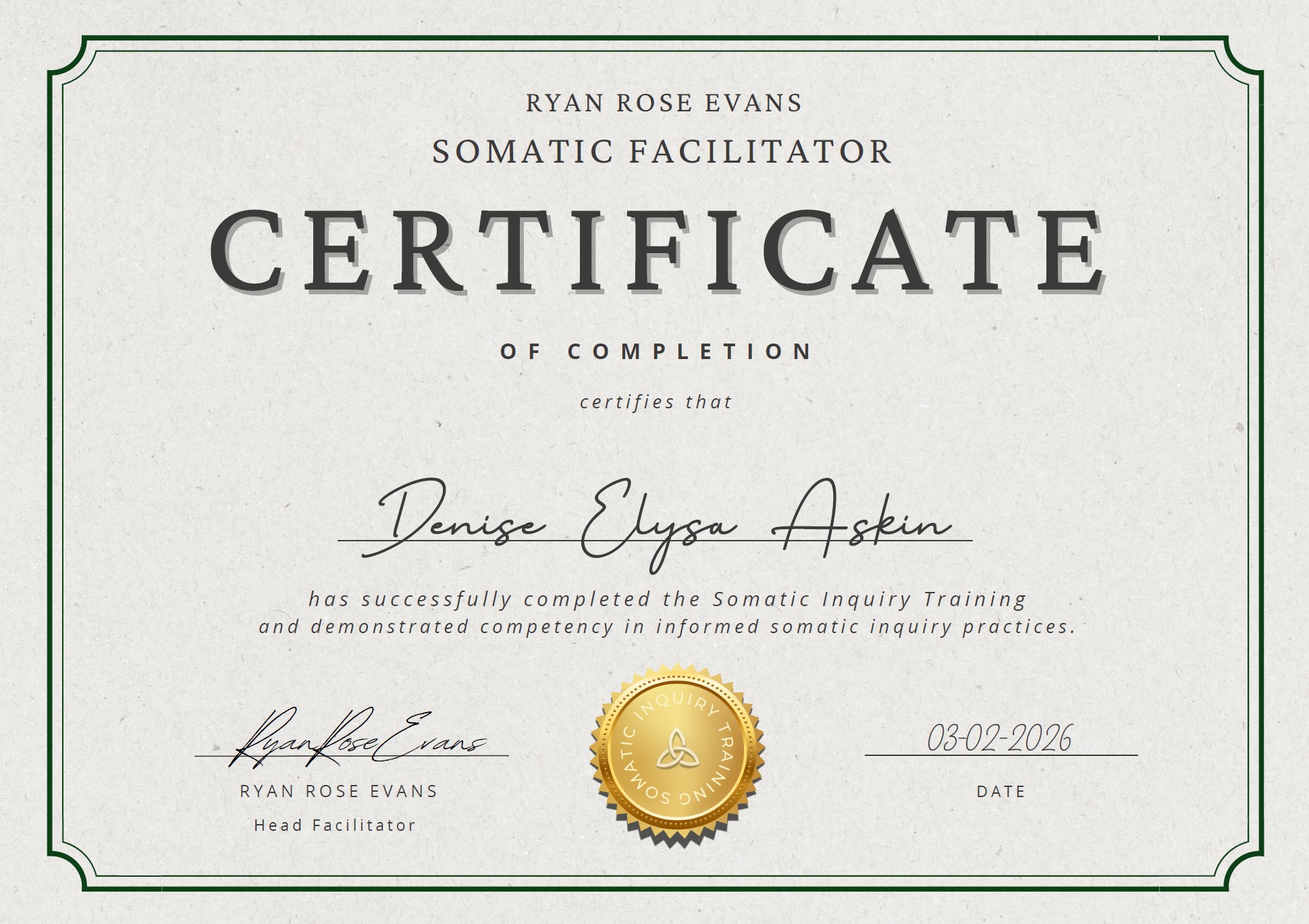
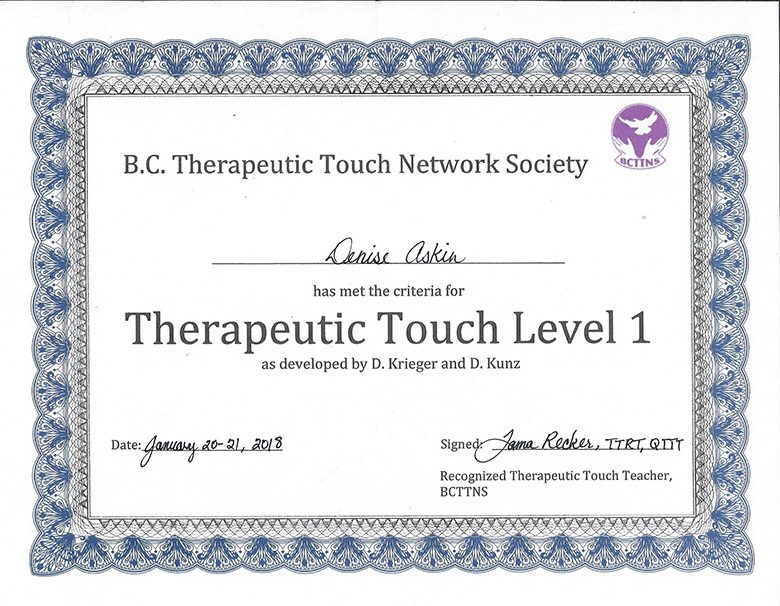
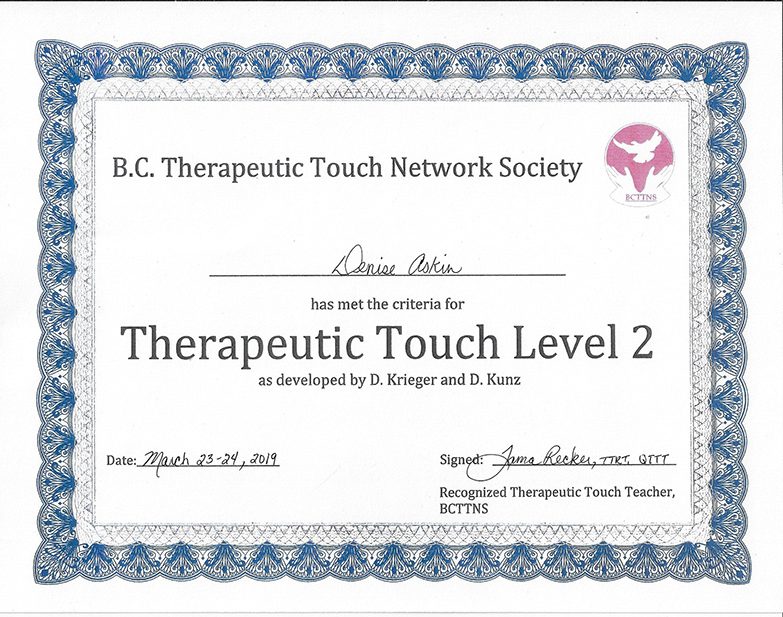
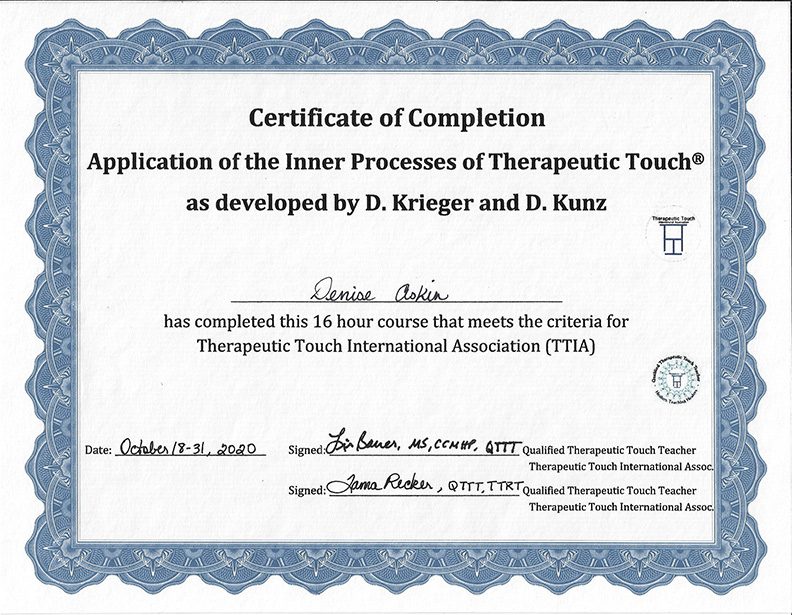
Denise’s approach to supporting people with ME/CFS is shaped by more than 20 years of her own lived experience navigating complex chronic illness, over 13 years of professional experience supporting people with their health and wellbeing, and, since 2024, her work co-facilitating group sessions for patients living with complex chronic diseases through Internal Medicine Specialists at the BC-CLMF. Her work is not a medical treatment, and it is offered alongside, not in place of, medical care.
She also doesn’t speak about this from a place of theory. When asked about her own experience with these conditions and the role this work has played in her recovery, Denise shared this:
“Somatic inquiry and intuitive energy healing work had a significant role in my recovery process, supporting me in reconnecting with my body and learning to honor and follow its cues and needs in a different way. Navigating these conditions had incredibly scary impacts at times, such as losing the ability to speak, becoming bedbound, or going into repeated anaphylaxis. I also experienced convulsive syncope a couple of times, where I would become rigid and lose consciousness unexpectedly. Each of these symptoms and many other circumstances related to these illnesses contributed to significant fear and lack of safety within my own body.
The blend of the work that I now offer to others is what has gotten me as far as I have in my own recovery and feeling safe in my body again. It’s important to note that this isn’t about feeling safe in situations that are unsafe. There are times when we are meant to be dysregulated or feel fear, anger, or other uncomfortable sensations. This is about being able to stay connected to myself even during times of fear or discomfort, and about the ability to discern what my body really needs at any given time.”
In 2026, she filmed herself on her first 10K bike ride after nearly two years of being wheelchair and housebound, and shared openly about the somatic and neuroplasticity work that made it possible.
For people who have spent years being told their illness is in their heads, or that a better attitude would resolve it, this framing can feel disorienting at first. Effective somatic work is not a version of that narrative, although some people do seem to offer it that way or interpret it that way. Denise has shared multiple podcast episodes and blog posts about safety when choosing a practitioner who’s aligned for you and the red and green flags to watch out for. One of those podcast episodes can be found here, in addition to her blog post on How to Choose a Somatic Practitioner (or Intuitive Energy Healer) Who Is Actually Right for You.
Safe and effective somatic work does not ask the body to override its symptoms or treat the nervous system’s responses as excessive or mistaken. The nervous system of someone who has lived through years of illness, crisis, and medical dismissal has adapted exactly as nervous systems do: it learned, and it protected. Somatic inquiry works with that intelligence, not against it, gently and over time creating the conditions under which something can shift at a deeper level than either willpower or positive thinking can reach.
Her somatic work, drawing on somatic inquiry, somatic parts work, and somatic reconditioning, supports people in developing a felt sense of safety in their bodies, exploring sensation with curiosity rather than fear, and listening to what the body is communicating through its symptoms rather than trying to override or suppress them. Intuitive energy healing works at a different layer still, one that Denise and many of the people she works with describe as reaching places that somatic work alone does not always touch. Past life regression is also available for those who feel drawn to explore that dimension of their healing.
With ME/CFS specifically, everything moves at the pace the nervous system can actually tolerate. There is no expectation of productivity, no pushing through, and no fixed protocol to follow. Her role is to support people in gently expanding their capacity over time, in a way their body and system can integrate.
In a clinical context, Denise has been co-facilitating a 5-week Meditation and Energy Healing Series for patients living with complex chronic diseases through the BC-CLMF since 2024. That series is also available inside the EmbodiedSoul with Denise Elysa Community, alongside a growing library of guided practices, live monthly events, and a space where complex chronic illness is understood and not minimized.
Ready to Go Deeper?
For those feeling ready for sustained, tailored 1:1 support, the Bridge to Embodiment is Denise’s signature program: eight sessions over approximately six months, blending somatic inquiry, energy healing, intuitive practices, and soul-led exploration, shaped entirely by what shows up for each individual rather than following a fixed formula. New spaces open as people complete their time with Denise. Enquiry and waitlist information are available at deniseelysa.com/book-an-appointment.
For those looking for a more accessible entry point, the EmbodiedSoul with Denise Elysa Community is open now. Members have instant access to a growing library of on-demand guided practices, workshops, meditations, and energetic transmissions, including the Meditation and Energy Healing 5-Week Series originally developed for patients living with complex chronic diseases. Denise also hosts approximately 2 to 3 live events per month for members. Browse what’s inside before joining at deniseelysa.com/embodied-soul-app.
Frequently Asked Questions About ME/CFS
What is the difference between ME/CFS and regular chronic fatigue?
Chronic fatigue is a symptom that can arise from many conditions, including thyroid disorders, sleep apnea, anemia, depression, and others. ME/CFS is a specific disease with its own diagnostic criteria, distinct from these other causes. The defining feature of ME/CFS is post-exertional malaise, the worsening of symptoms after physical, cognitive, or emotional exertion, which can arrive up to 48 hours after the triggering activity. This pattern, alongside unrefreshing sleep and cognitive impairment, is what distinguishes ME/CFS from general fatigue or exhaustion.
Is ME/CFS a nervous system condition?
ME/CFS involves the nervous system, among several other systems. Current research points to autonomic nervous system dysregulation as one contributing factor, alongside immune dysfunction, disruptions to cellular energy production, and growing evidence of neuroinflammation. Nervous system-informed support addresses one genuine layer of what ME/CFS involves, which is part of why many people find it helpful alongside, rather than instead of, medical treatment.
Can somatic healing help with ME/CFS?
For some people navigating ME/CFS, somatic work has been one of the most meaningful layers of support available to them. Working with the nervous system somatically can support a greater sense of safety in the body, develop a more attuned relationship with the body’s signals, and open up space to explore what symptoms may be communicating beneath the surface. When pacing principles are respected and the work is never expected to push past the body’s available capacity, this kind of support can gently expand quality of life over time.
What is post-exertional malaise, and why does it matter for any kind of healing work?
Post-exertional malaise (PEM) is the hallmark feature of ME/CFS: a worsening of symptoms triggered by physical, cognitive, or emotional exertion that can arrive 12 to 48 hours after the activity. This is the main reason why approaches that involve pushing through or gradually increasing activity have caused harm in ME/CFS populations. Any healing work with someone who has ME/CFS needs to respect the reality of PEM and prioritize staying within the person’s current capacity, not pushing through.
How does Denise work with people who have very limited energy or are housebound?
All of Denise’s sessions are held online, removing the energy cost of travel entirely. The work itself moves at the pace the nervous system can tolerate, with no expectation of a pace the body is not ready for. The EmbodiedSoul community is fully accessible at the member’s own pace, with on-demand content that can be engaged with in whatever increment is possible. Browse what’s inside before joining at deniseelysa.com/embodied-soul-app.
Resources
The Bridge to Embodiment Denise’s most comprehensive 1:1 offering: eight sessions over approximately six months, blending somatic inquiry, energy healing, intuitive practices, and soul-led exploration. Sessions are tailored to the individual, held online, and the work moves at the pace the person’s system can integrate. New spaces open as people complete their time with Denise. Learn more about the Bridge to Embodiment
EmbodiedSoul with Denise Elysa Community The EmbodiedSoul community is a desktop and mobile-friendly web app and platform. Inside, members have instant access to over $1,000 worth of on-demand guided practices, workshops, ceremonies, meditations and more. Denise hosts approximately 2 to 3 live events per month for members, including Live Guest Experts, Live Connection Calls, group energy healing sessions, and more. Complex chronic diseases including ME/CFS are a recurring focus across the content and live events. All live events are free to members; pre-registration is required. Explore the EmbodiedSoul Community
Meditation and Energy Healing 5-Week Series Originally developed for patients living with complex chronic diseases, this series is available inside the EmbodiedSoul community and has also been shown to be supportive for anyone navigating challenging life circumstances or looking to deepen into inner work through meditation, energy healing, and self-exploration. Available inside the EmbodiedSoul Community
Free Resource: Somatic Healing for Chronic Symptoms How to take what is learned about somatic inquiry and somatic healing and apply it in real time when experiencing symptoms that feel scary. This free lesson walks through the experience. Note: browse the app before creating a free account, as creating any account removes the ability to preview other available content. Access the free lesson
The Podcast A new episode of Coming Home to Ourselves with Denise Elysa releases the first Sunday of every month, covering chronic illness, nervous system healing, somatic practices, intuition, and more. Available on web browser, Spotify, YouTube, Apple Music, and Amazon Music. Listen now
The Blog Free weekly resources and guidance at deniseelysa.com/blog
Work with Denise Denise offers a few different ways of working 1:1 depending on individual needs and commitment levels. Explore how to work with Denise