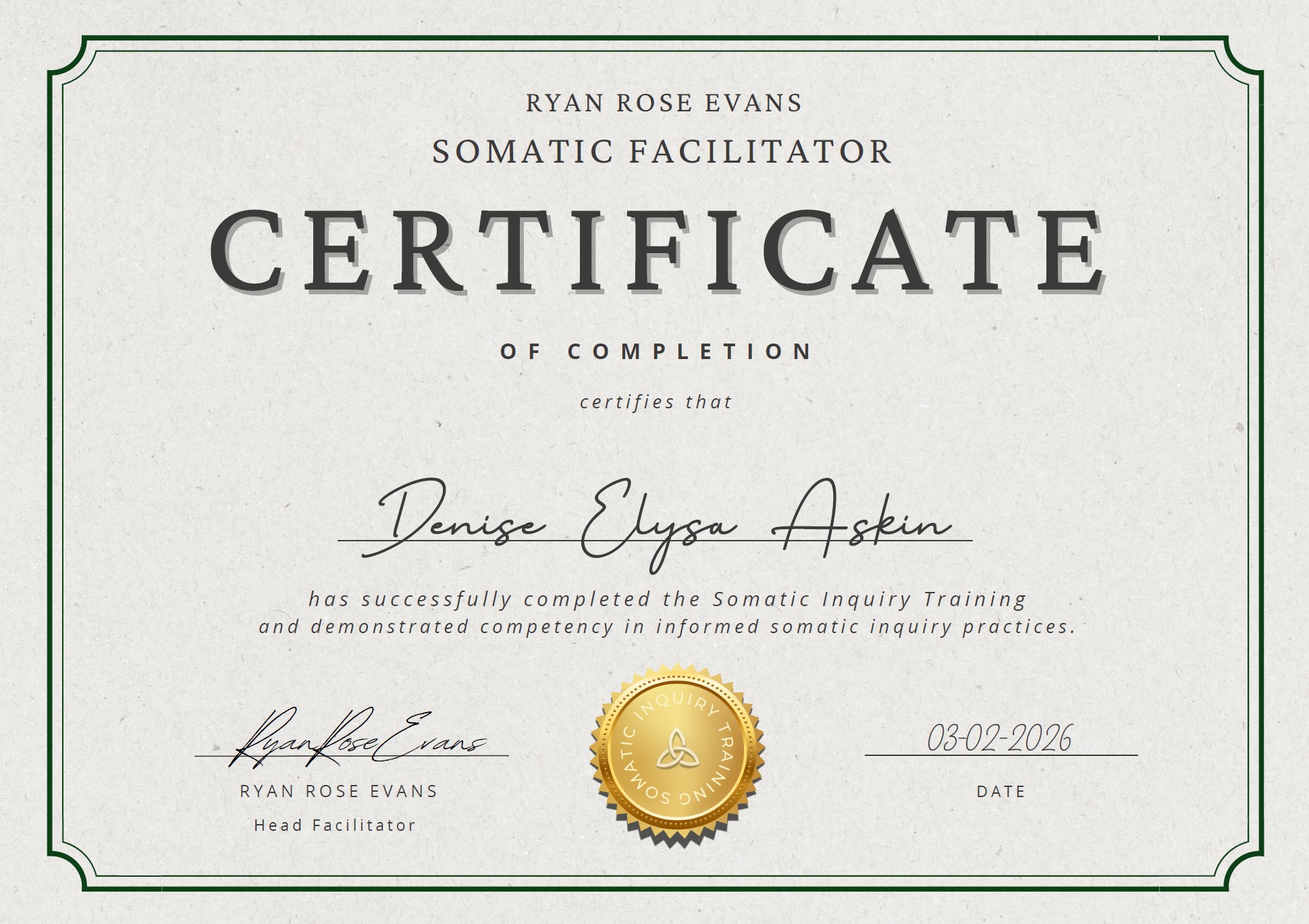
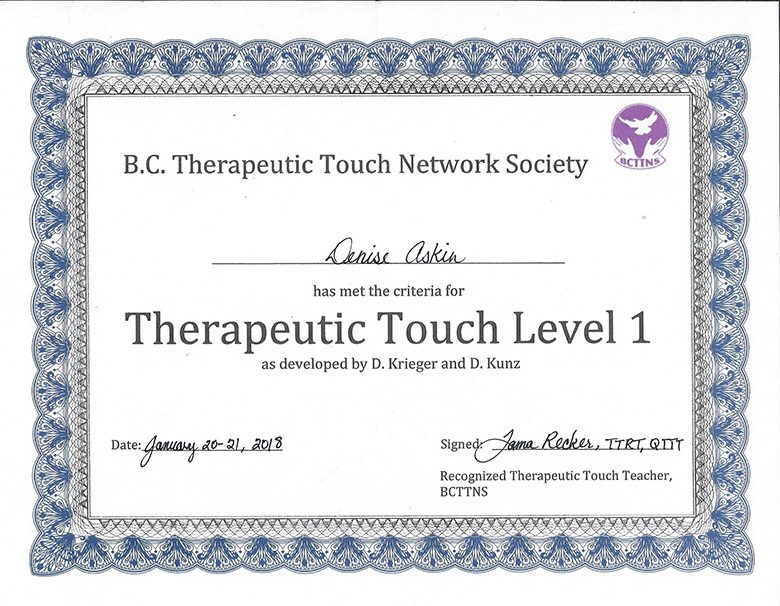
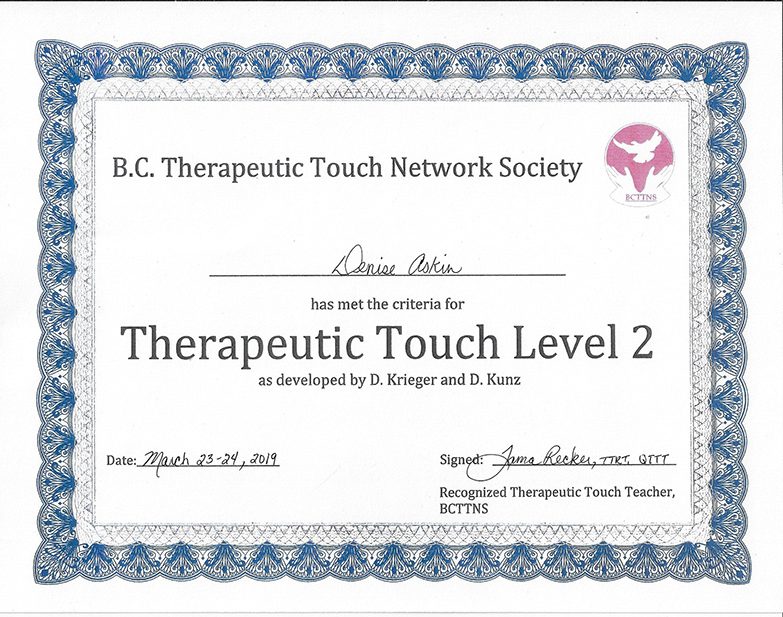
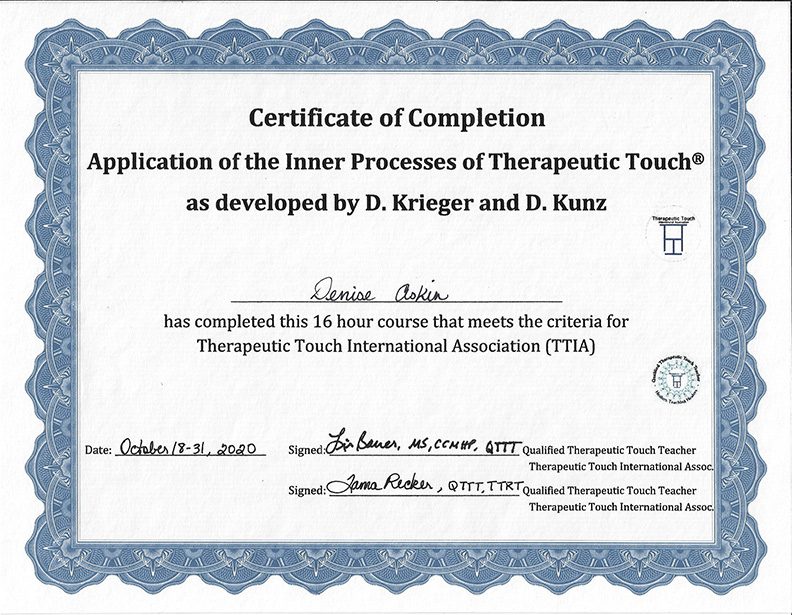
Denise Elysa hears a familiar story often, in sessions, in the EmbodiedSoul community, and in conversations with people simply trying to feel more connected to themselves. A flicker of intuitive knowing arrives, and within moments it gets explained away as anxiety, overthinking, or nothing at all.
Intuition is often treated as unreliable, something to second guess before it can be trusted. Denise has come to understand it differently, as a capacity that can be developed rather than a fixed trait some people have and others don’t. This piece explores what intuition actually is, why self-doubt so often gets in the way, and what genuine intuitive development looks like when it is approached through the body and the nervous system.
What Is Intuition, Really?
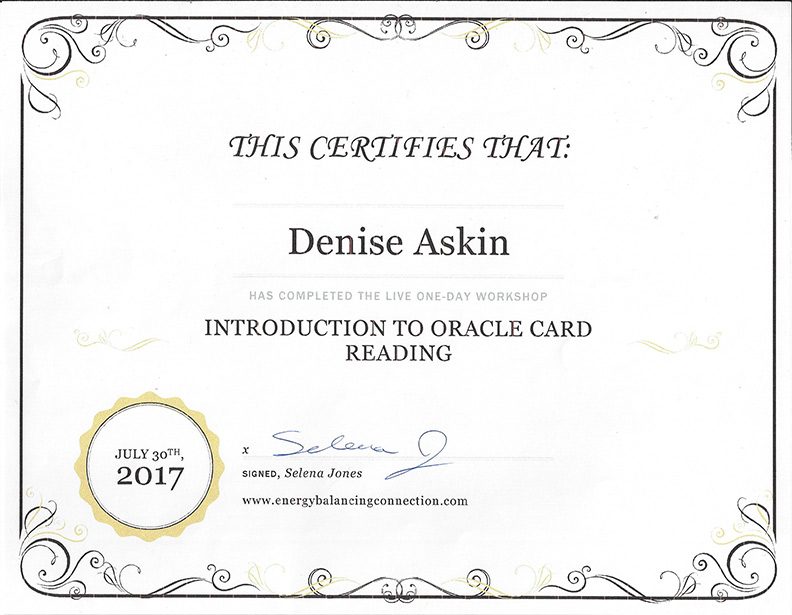
Intuition is often described as a sixth sense, something separate from the body and the rational mind. In Denise’s experience as both a somatic practitioner and an intuitive energy healing practitioner, intuition tends to arrive as information: a sensation, an image, or a felt sense of yes or no that the body registers before the thinking mind catches up.
Intuition works as its own channel of information, arriving through a language many people were never taught to recognize or trust. Learning to work with intuition tends to be less about acquiring something new and more about remembering a way of listening that existed before conditioning, fear, or overwhelm got in the way.
Why Self-Doubt Gets in the Way of Intuitive Development
Self-doubt often reflects a nervous system doing exactly what it learned to do. For many people, past experiences of being dismissed, overridden, or not believed taught the body that its own signals were not safe to trust, and that pattern rarely shifts just because someone decides, intellectually, to trust themselves more.
Because of this, intuitive development is rarely a straight line. Self-doubt tends to resurface, especially during periods of stress, illness, or major decisions, and its presence usually signals tender ground rather than proof that the process is failing.
The Role of Somatic Awareness in Hearing Your Intuition
For many people, somatic awareness, the practice of noticing what is happening in the body as it happens, is a significant part of how intuitive development unfolds. A sensation like tightening or ease can carry intuitive information, though the body also holds trauma responses, stress, and dysregulation, and telling these apart is not always simple. This is part of why discernment, not just noticing, is such a central piece of the work.
Somatic awareness is one entry point into intuitive development, though not the only one. Intuition can also move through the clairs, images, words, knowing, or feeling that arrives through the energy body rather than the physical one, and different people tend to lean toward different channels. Working with these different ways of sensing, alongside somatic awareness, is part of how Denise approaches intuitive development inside her practice.
Other Ways Intuition Speaks
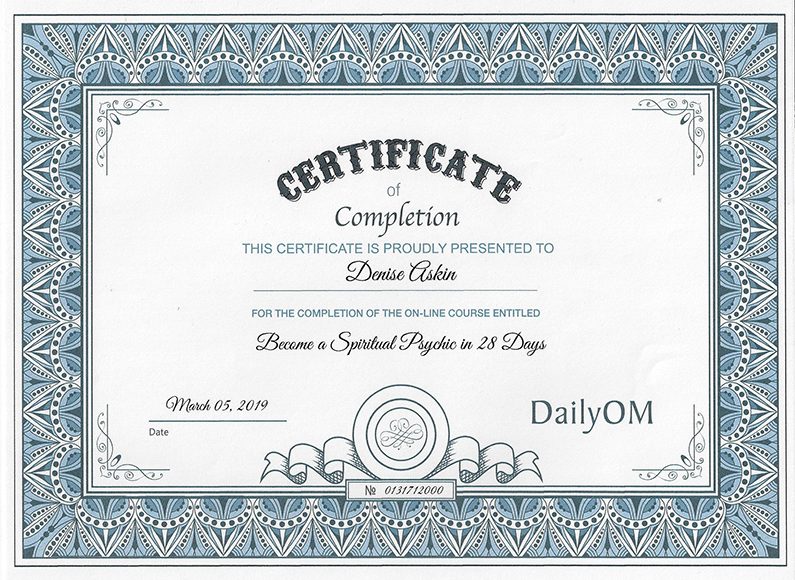
The body is one channel intuition moves through, but it is not the only one. Some people receive intuitive information as images, sometimes called clairvoyance. Others hear words, phrases, or a kind of inner voice, known as clairaudience. Some feel intuitive information as an emotional or energetic sense, referred to as clairsentience. Some simply know something without being able to explain how, referred to as claircognizance. Less commonly, intuitive information can arrive through smell or taste, known as clairalience and clairgustance. There are several of these clairs, and most people have one or two that feel more natural than the rest.
Intuitive information can also arrive through the energy body itself, as a shift in the energy field around a person or situation, rather than through a specific clair or physical sensation. Most people find that one or two of these channels come through more clearly than the rest, and that tends to shift and deepen over time.
Nervous System Regulation and Intuitive Clarity
Nervous system regulation gets talked about often, and it is frequently misunderstood as staying calm all the time. Regulation actually refers to capacity and range: the ability to move through activation, stress, or overwhelm without becoming stuck there for long stretches.
A dysregulated nervous system tends to interpret everything through a lens of threat, which makes it genuinely difficult to distinguish intuition from fear. This is a physiological reality many people navigate every day. Supporting the nervous system, gently and without urgency, tends to be one of the most direct paths toward hearing intuitive information more clearly.
See Also- Fight, Flight, Freeze, and Fawn: Understanding Your Nervous System’s Survival Responses
How an Intuition Coach or Energy Healing Practitioner Can Support the Process
Some people move through intuitive development on their own, and that is wonderful if it works for them. Others find it supportive to work alongside an intuition coach, embodiment coach, or energy healing practitioner who can offer education, guidance, techniques, reflection, somatic tools, and a steady presence while the process unfolds.
Denise holds a particular distinction close in her own work: a practitioner’s role is to hold space, nurture and educate while someone reconnects with their own inner knowing, not to position themselves as having access to truths the other person does not.
Building Self-Trust: Where to Begin
Self-trust tends to rebuild slowly, through small moments of testing a felt sense and noticing what happens. This might look like pausing before responding to a message, or noticing a subtle pull toward or away from something before deciding. There is no single correct starting point.
What matters more than the specific practice is the willingness to keep returning to intuitive cues, gently and without pressure, even when self-doubt resurfaces. Starting small, with one moment of noticing rather than a full practice, is often enough to begin.
A Note on This Content
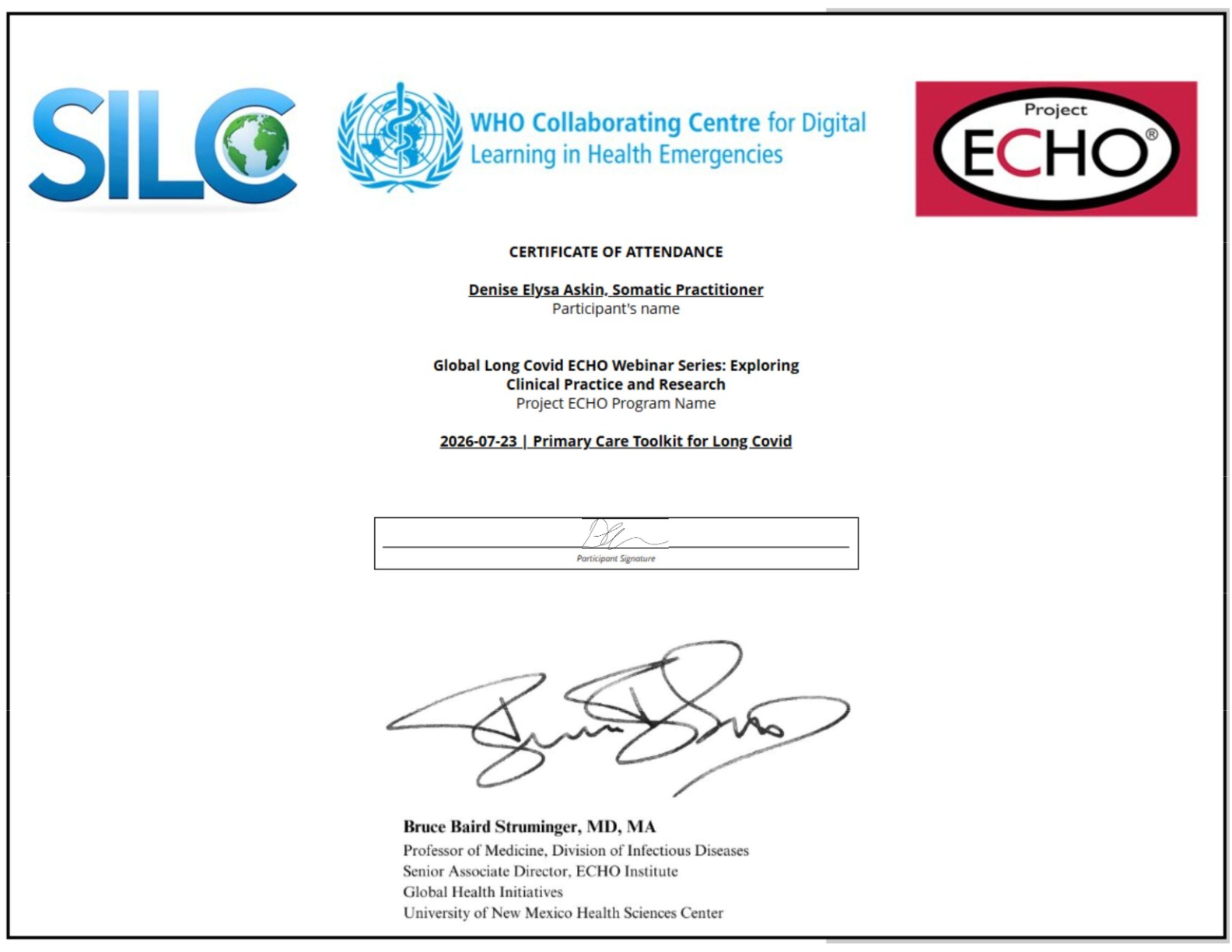
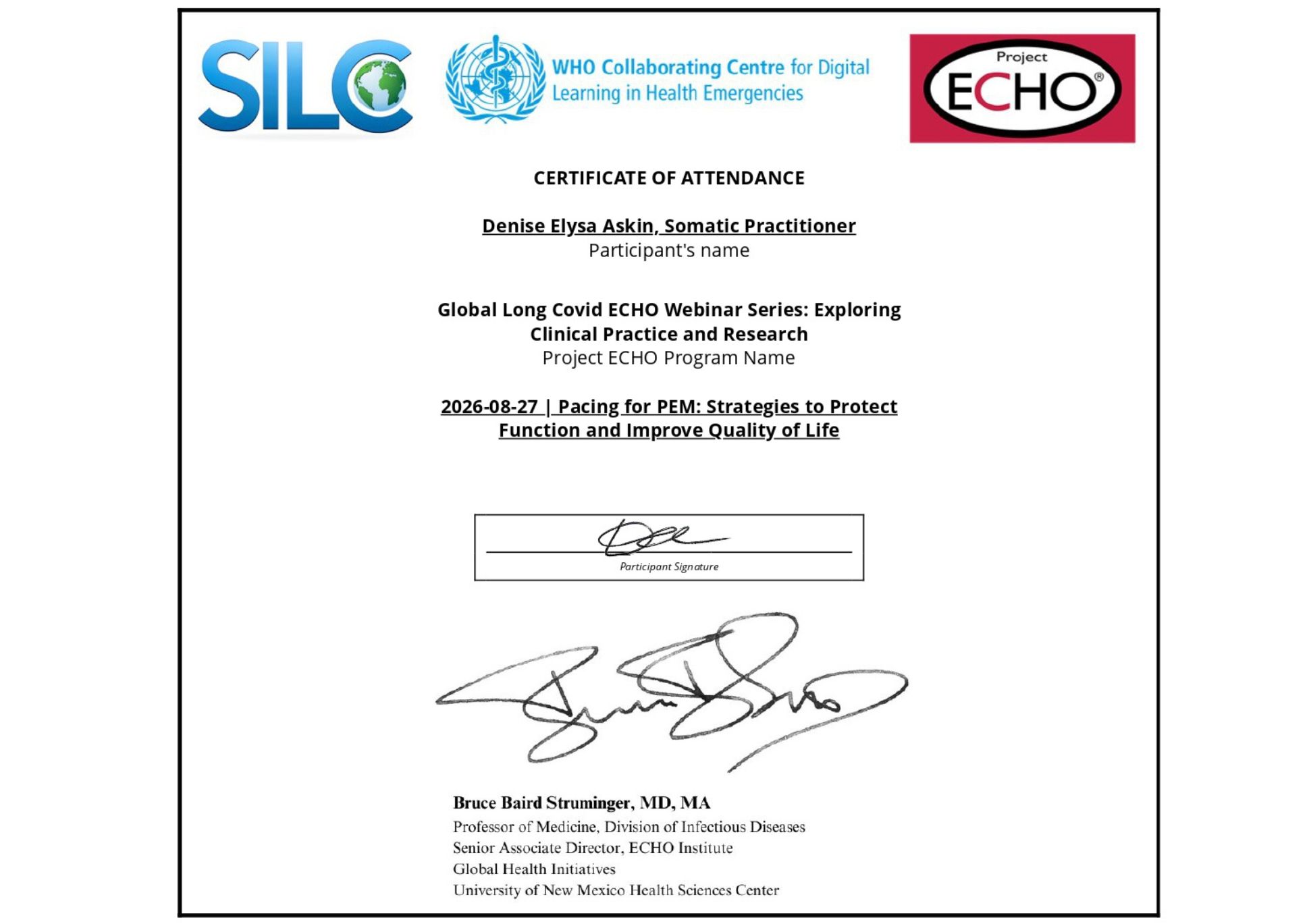
Denise is not a medical or mental health professional, and this content is not a substitute for medical or psychological care. Intuitive development and somatic awareness can be supportive alongside professional care, particularly for anyone navigating anxiety, trauma, or nervous system dysregulation, but they are not a replacement for it. Readers with concerns about their mental or physical health are encouraged to consult a qualified professional.
Ready to Explore This Further?
For those wanting ongoing tools and support for intuitive development, somatic awareness, and nervous system regulation, the EmbodiedSoul with Denise Elysa Community offers a growing library of guided practices, live events, and a space to explore this work over time. Readers are welcome to browse what’s inside at https://embodiedsoul.deniseelysa.com/ before creating any account, since previewing is only available before an account exists.
Frequently Asked Questions
Can anyone develop their intuition, or are some people just born intuitive?
Intuition is a capacity everyone has, though some people notice it more easily than others depending on nervous system patterning and life experience. Intuitive development is possible for most people through somatic awareness and gentle, consistent practice.
What is the difference between intuition and anxiety?
Anxiety tends to spiral, repeat, and pull toward worst-case scenarios, while intuitive information often arrives quietly, without the same urgency. Learning this distinction usually takes time and is easier to sense in the body than to define in words.
How long does it take to develop intuitive awareness?
There is no fixed timeline, and healing or growth in this area is rarely linear. Some people notice shifts within weeks of consistent practice, while for others, especially those navigating chronic stress or illness, it unfolds more gradually.
What does an intuition coach actually do?What does an intuition coach actually do?
An intuition coach or embodiment coach offers education, guidance, and techniques, alongside reflection and a supportive presence, while someone reconnects with their own inner knowing. This can include somatic tools as well as other ways of sensing, such as the clairs, depending on how a person naturally receives information.
Is intuitive development the same as energy healing?
They are related but not identical. Energy healing can involve rebalancing the energy field, clearing energetic enmeshments, and restoring a felt sense of safety, all of which often make it easier to sense and trust intuitive information clearly. Intuitive development itself is a broader process that also includes somatic awareness, the clairs, and self-trust.
Resources
EmbodiedSoul with Denise Elysa Community
The EmbodiedSoul with Denise Elysa Community is a desktop and mobile-friendly web app and community platform. Inside, members have instant access to over $1,000 worth of on-demand guided practices, workshops, ceremonies, meditations and more. Denise hosts approximately 2 to 3 live events per month for community members, including Live Guest Experts, Live Connection Calls, The Seasonal Pause equinox and solstice ceremonies, Live Energy Healing Sessions, guided practices and more. All events are free to members and pre-registration is required. Explore the EmbodiedSoul Community
The Podcast
A new episode of Coming Home to Ourselves with Denise Elysa releases the first Sunday of every month, available on web browser, Spotify, YouTube, Apple Music and Amazon Music. Listen now
Work with Denise
Denise offers a few different ways of working 1:1 depending on individual needs and commitment levels. Explore how to work with Denise
The Blog
Free weekly resources and guidance at deniseelysa.com/blog/
The Newsletter
A free newsletter with energy updates, resources, tools, event invitations and more. Join the newsletter