Fight, Flight, Freeze, and Fawn. These four terms have become part of the mainstream conversation around mental health and healing over the last decade or so, often travelling under the label “trauma responses.” Before going further, I want to pause on that framing. A trauma response is what happens when something in the present triggers a past trauma, activating a survival state in a context where the original threat is no longer there. What fight, flight, freeze, and fawn describe is something broader and more fundamental. In peer-reviewed research they are referred to as defensive responses, fear responses, stress responses, and threat responses. Denise Elysa uses the term survival responses, because that is what they are: the nervous system’s way of protecting a person when danger, either real, perceived, or remembered, is detected. They will activate in anyone whose system registers threat, regardless of trauma history.
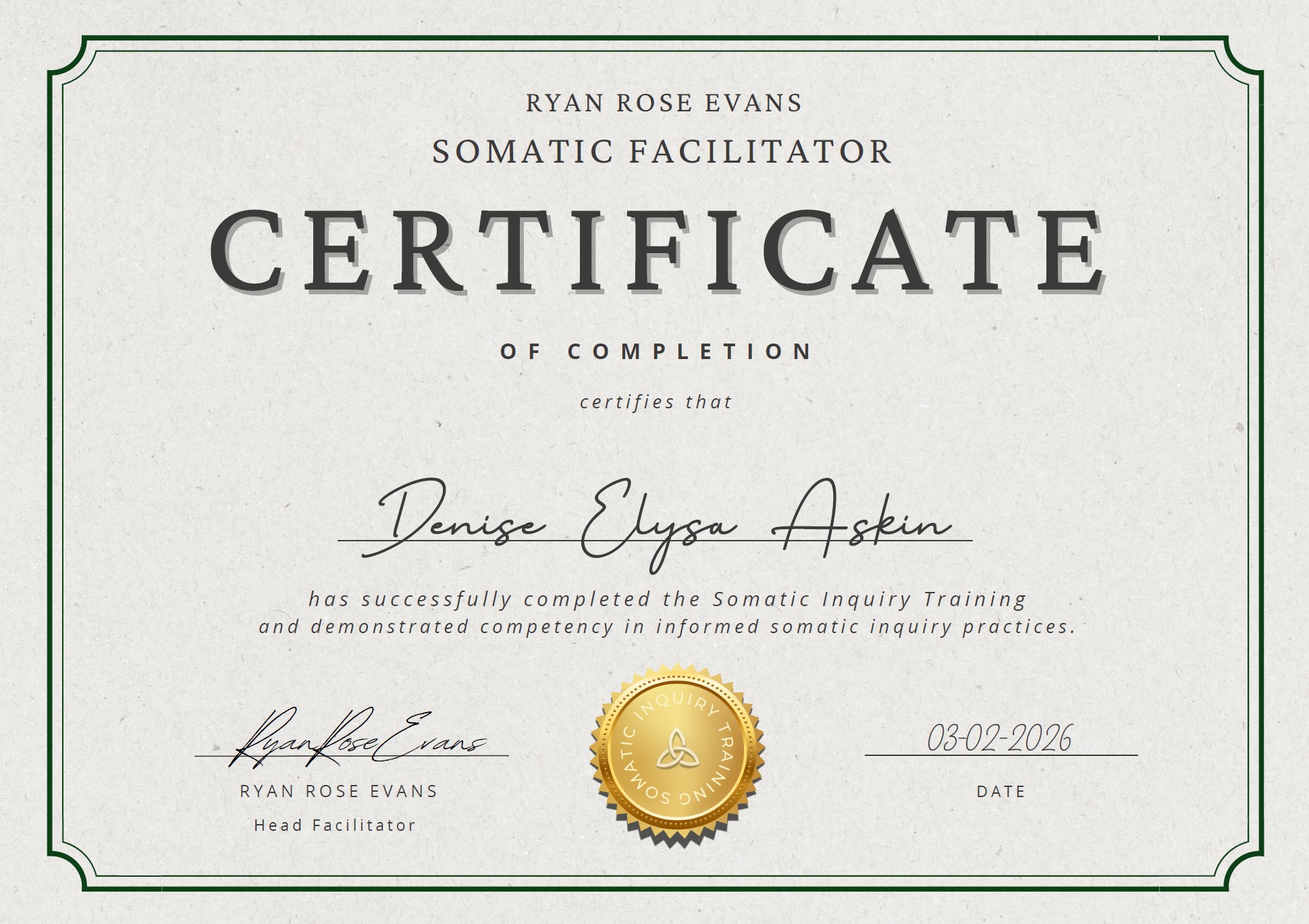
Denise Elysa, somatic practitioner and intuitive energy healer, approaches the nervous system as intelligent rather than defective. When the system detects danger, it initiates one of these states without waiting for conscious input, because the body has to be faster than thought when survival is the immediate priority. For people who have experienced trauma, these states can become chronically activated or stuck, running in the background long after the original threat has passed. The responses themselves, though, belong to everyone.
Fight and Flight: Survival Through Mobilization
Fight and flight belong to the same branch of the autonomic nervous system: the sympathetic. When threat is detected, adrenaline and cortisol surge, heart rate climbs, breathing shallows, and blood moves toward the large muscle groups, as the digestive system slows and the body prepares for action.
In a fight response, that mobilized energy moves toward the source of threat. In daily life this can look like irritability, anger that seems disproportionate to the situation, a reflexive need to defend or control, or an impulse to confront before there is any clear understanding of why. Living inside chronic fight activation can mean feeling perpetually braced: relationships can feel like conflict zones, the body held tight, and a general sense of ease can feel foreign or even unsafe. There is often a cycle of reactivity followed by shame, the body having responded before the mind had a chance to intervene.
In a flight response, the energy moves away: avoidance, chronic busyness, difficulty settling into rest, or a pull to leave situations and relationships before anything resolves. For many people, flight can masquerade as productivity or self-sufficiency, with the restlessness feeling purposeful. Neither response is a character flaw; both are the body doing exactly what it was built to do.
The Freeze Response: Active, Not Passive
Freeze is perhaps the most misunderstood of the four survival responses, partly because it looks, from the outside, like nothing is happening. Research published in Nature Reviews Neuroscience (Roelofs and Dayan, 2022) describes the freeze response as an active preparatory state rather than a passive one. The body goes still while the nervous system sharpens its attention, gathers information about the threat, and prepares possible responses. Research in Philosophical Transactions of the Royal Society B (Roelofs, 2017) describes it as a parasympathetic brake on the motor system, relevant to perception and action preparation, accompanied by heart rate deceleration rather than the acceleration of fight and flight.
This is the freeze state many people recognize: going very still, time feeling strange, an acute alertness alongside an inability to move or speak. There can be a particular frustration and even distress to it, knowing what you want to do and finding the body will not move on it. The body is not disengaging from the situation; it is holding itself in readiness.
Dorsal Vagal Shutdown: When the System Reaches Its Limit
Distinct from the active freeze response is what can happen when the nervous system has been sustaining high activation for an extended period and reaches a point where it can no longer hold that load. When fight, flight, and freeze have been running for a long time without adequate resolution or rest, the dorsal vagal branch of the parasympathetic nervous system may initiate a deeper shutdown state.
Polyvagal theory, developed by Stephen Porges and described in peer-reviewed literature going back to the 1990s, frames this as the most evolutionarily ancient defensive response available: a last-resort protective state when mobilization is no longer viable. A clinical overview published in Brain and Nerve (Hanazawa, 2022) describes the dorsal vagal system as initiating an immobilization shutdown response under conditions of extreme or sustained perceived threat. Where the freeze response feels like sharpened stillness, dorsal vagal shutdown tends to feel more like collapse: a heaviness that goes beyond ordinary tiredness, difficulty accessing emotion or sensation clearly, or a sense of going away from oneself.
This state is often misread from the outside as disengagement, and misread from the inside as something being broken. The person is not choosing this. The system has done what it could for as long as it could, and shutdown is what the body reaches for when the capacity to hold has been exceeded. Related to this is tonic immobility, documented in research by Abrams and colleagues (2009, Depression and Anxiety) as a temporary state of motor inhibition arising under extreme fear, associated with dissociation and with higher rates of post-traumatic stress symptoms. Many people who have experienced it have had little language for what occurred.
For people navigating complex chronic illness involving profound depletion and fatigue, this end of the defensive spectrum is often directly relevant. A nervous system that has been in sustained survival states for months or years can carry the shutdown pattern long after the original circumstances have changed.
The Fawn Response: A Clinically Described Pattern
Fawn is a term introduced by therapist Pete Walker in his clinical work with complex PTSD. Unlike fight, flight, and freeze, it does not yet have a substantial neuroscience research base. What Walker described, and what has since been widely adopted in trauma-informed clinical practice, is a pattern of appeasement: managing or satisfying the person or situation perceived as threatening in order to reduce danger.
This most commonly develops in relational and early childhood environments where conflict or unpredictability from a caregiver felt unsafe. The adaptation that emerged was intelligent but carries significant impact on one’s sense of self and connection to their own bodies and needs: read others carefully, suppress your own needs and responses, keep others comfortable, and in doing so, stay safe. Research on appeasement and relational defensive behavior in the context of developmental trauma is developing, even if it has not yet coalesced around the specific term.
What makes fawn significant, and why it deserves attention alongside the other three, is the depth of its reach into a person’s sense of self. Living with a strong fawn pattern often means existing in a state of constant low-level surveillance: scanning others for emotional cues, adjusting responses before the other person has even spoken, anticipating and absorbing the emotional weather of everyone in the room. The vigilance is exhausting in a way that is hard to explain, partly because it is so automatic that it does not register as effort.
Over time, the suppression of one’s own needs, responses, and preferences can create a substantial disconnection from self. Many people describe not knowing what they actually want, feel, or prefer, separate from what those around them seem to need. That confusion is not a personality trait or a weakness; it is a survival pattern so deeply embedded that it can become hard to locate where it ends and the person begins. The body, too, carries what has been unsaid and unexpressed over years, and many people recognize the physical weight of that long before they have language for it or the resources and tools to begin reconnecting to themselves.
Fawn is often the last pattern to be recognized because it has so frequently been praised. Being agreeable, accommodating, and attuned to others tends to earn positive responses in a world that rewards those qualities, which makes the pattern harder to question and harder to see. It has been widely adopted in trauma-informed clinical practice because it describes something many people recognize in themselves, and what many professionals witness within clinical and therapeutic practices.
When Survival Responses Become Chronic Patterns
These responses are not problems in themselves. The difficulty arises when they persist beyond the context that shaped them, activating in situations that are no longer genuinely threatening, or when the nervous system has lost access to its full range and operates predominantly from one survival state.
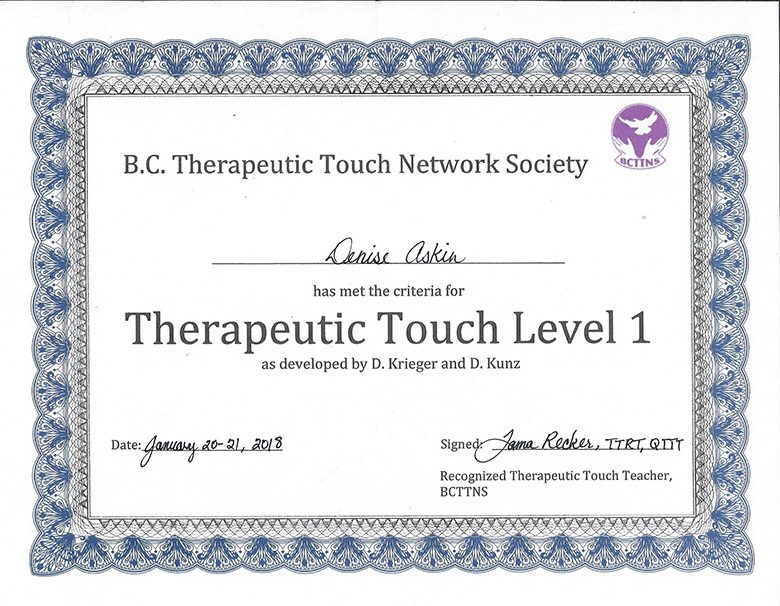
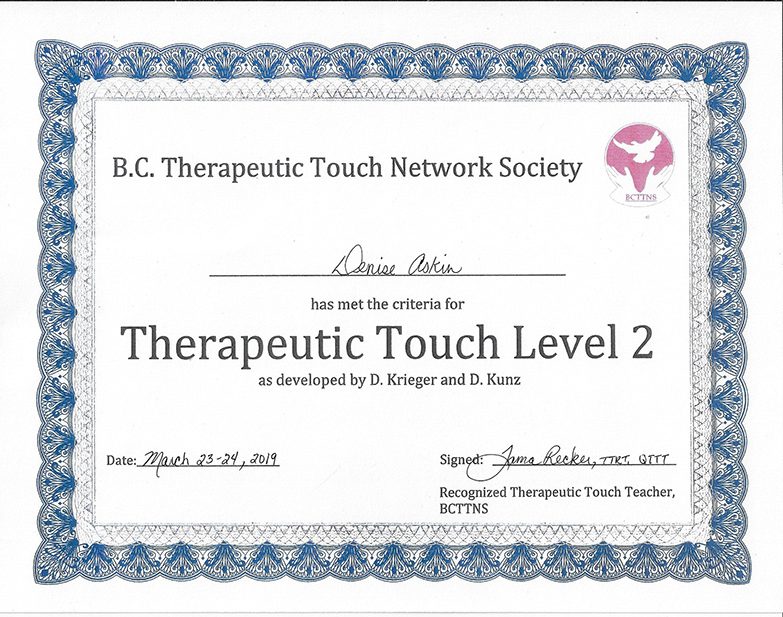
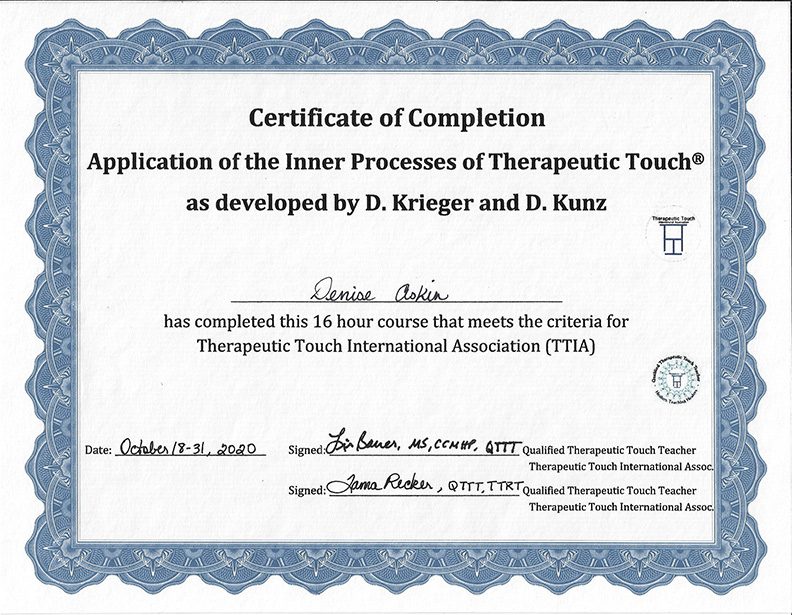
For many people living with complex chronic illness, the nervous system has been in sustained activation for years. The relationship between prolonged defensive responses and physical symptoms, including widespread pain, immune dysregulation, fatigue, and digestive disruption, is an area of ongoing clinical attention. Denise’s work with people living with conditions such as ME/CFS, MCAS, Fibromyalgia, POTS, hEDS, Lyme disease, and co-infections consistently touches on this intersection. The same applies to many neurodivergent people, whose nervous systems are often navigating environments and expectations not designed with them in mind; the cumulative demand of that mismatch can place real and sustained pressure on the system over time. Understanding where the nervous system has been living is one part of a more complete picture, alongside appropriate medical care.
Nervous System Regulation: Building Flexibility, Not Forcing Calm
Nervous system regulation does not mean a permanently calm system. It means building greater flexibility: the capacity to move through activation states and return to a place of relative safety and groundedness, rather than getting stuck in any one survival response.
The healing space has developed a narrative around regulation that positions calm as the goal and activation as the problem. Denise, and many other nervous system informed practitioners disagree with and even see harm in this narrative. The survival responses explored in this post are not things to be eliminated. The capacity to mobilize in response to threat, to feel anger when anger is warranted, to rest deeply after real exertion: all of these are expressions of a nervous system with a healthy range. A life without access to these states would not be a regulated life; it would be a flattened one. The challenge arises when protective responses that were once perfectly adaptive continue to run in contexts that no longer call for them, when the system has lost the flexibility to move and return. Truly working toward regulation means working toward that range.
In somatic and body-based healing work, this is approached gradually and with real respect for what the system has been through. Gentle titration, pendulation, and working at the pace of the individual are central to both the effectiveness and the safety of this work. Practices that support a felt sense of safety in the body begin to offer the nervous system something it may not have had consistent access to: evidence that rest is possible and safe. Healing through the body, in Denise’s experience and in her work alongside the people who come to her, tends to be nonlinear and deeply individual. There is no prescribed sequence and no timeline. Understanding these survival responses is one way of beginning to honor and listen deeply to what the body has been carrying, and why.
If you are curious about what somatic healing looks like in practice, Denise has a free lesson and other low-barrier resources available at deniseelysa.com/low-barrier-and-free-resources.
Ready to Go Deeper
The EmbodiedSoul with Denise Elysa Community is an online community platform and app where members have access to a growing library of on-demand guided practices, workshops, meditations, and energetic transmissions, as well as approximately two to three live events each month. This includes live group energy healing sessions, connection calls, and nervous system-informed content that builds directly on what is explored in this post. You can browse what is inside at embodiedsoul.deniseelysa.com before creating any account.
For those who feel ready for individualized support, the Bridge to Embodiment is Denise’s signature 1:1 program. New spaces open as people complete their time with Denise. If it feels like the right fit, you are welcome to add your name to the waitlist.
Frequently Asked Questions
What is the difference between a trauma response and a survival response?
A survival response is an automatic protective state initiated by the autonomic nervous system when threat is detected. It will activate in anyone whose nervous system registers danger, regardless of whether they have a trauma history. A trauma response refers more specifically to what happens when a present-day situation triggers a past traumatic experience, activating a survival state in a context where the original threat is no longer present. Fight, flight, freeze, and fawn are survival responses; when they are triggered by past trauma, that experience is a trauma response. The distinction shifts how these states are understood: not as signs of something gone wrong, but as evidence of a nervous system doing what it was built to do.
What is the difference between the freeze response and dorsal vagal shutdown?
The freeze response, as described in neuroscience research, is an active preparatory state: the body goes still while the nervous system gathers information and prepares possible responses. Dorsal vagal shutdown is a distinct state that can develop when the nervous system has been sustaining high levels of activation for an extended period and reaches a point of collapse. Where freeze involves a kind of alert stillness, shutdown tends to involve deeper immobilization, difficulty accessing sensation or emotion, and a felt sense of going away from oneself. Tonic immobility, documented in research literature, overlaps with this end of the defensive spectrum and is associated with dissociation and post-traumatic stress symptoms.
Is fawn a scientifically proven survival response?
Fawn is a clinically described pattern introduced by therapist Pete Walker in his work on complex PTSD, rather than a neuroscience-verified survival response in the same category as fight, flight, or freeze. Research on appeasement and relational defensive behavior in developmental trauma contexts is developing, but the specific term has not yet been formally studied in peer-reviewed neuroscience research. It has been widely adopted in trauma-informed clinical practice because it describes something many people recognize in themselves, and it is included here on that basis.
What does nervous system regulation actually mean?
Nervous system regulation refers to building greater flexibility in the system: the capacity to move through activation states and return to a place of relative safety and groundedness, rather than remaining stuck in a single survival response. It does not mean being calm all the time. In somatic healing work, regulation is built gradually through practices that support a felt sense of safety in the body. The goal is restoring the system’s access to its full range of states, including the capacity to mobilize when needed and to rest when rest is available.
Resources
EmbodiedSoul with Denise Elysa Community The EmbodiedSoul with Denise Elysa Community is a desktop and mobile-friendly web app and community platform. Inside, members have instant access to over $1,000 worth of on-demand guided practices, workshops, ceremonies, meditations, and more. Denise hosts approximately two to three live events per month for community members, including Live Guest Experts, Live Connection Calls, The Seasonal Pause: Equinox and Solstice Ceremonies, Live Energy Healing Sessions, Guided Practices, and more. All events are free to members; pre-registration is required. Explore the EmbodiedSoul Community
Work with Denise Denise offers a few different ways of working 1:1 depending on individual needs and commitment levels. Explore how to work with Denise
Meditation and Energy Healing 5-Week Series Originally developed for patients living with complex chronic diseases, this series has also been shown to be supportive for anyone navigating challenging life circumstances or looking to deepen into inner work through meditation, energy healing, and self-exploration. Available inside the EmbodiedSoul Community
Free Resource: Somatic Healing for Chronic Symptoms A free lesson walking through how to apply somatic inquiry and somatic parts work in real time when experiencing symptoms that feel scary. Additional free and low-barrier resources are also available. Access free and low-barrier resources
Meditation and Guided Practices A growing library of guided meditations, energetic transmissions, and other guided practices. Available inside the EmbodiedSoul Community
The Podcast A new episode of Coming Home to Ourselves with Denise Elysa releases the first Sunday of every month. Available on web browser, Spotify, YouTube, Apple Music, and Amazon Music. Listen now
The Newsletter Free newsletter with energy updates, resources, tools, event invitations, and more. Join the newsletter
The Blog Free weekly resources and guidance at deniseelysa.com/blog/